- Home page
- Top experiences
- Culture and Heritage
- Stockholm City Museum, a journey to the heart of the city's history
- Culture and Heritage
- Top experiences
Stockholm City Museum, a journey to the heart of the city's history
Delving into Stockholm's heritage means discovering prestigious museums that open their doors for a complete immersion in the Swedish capital's past. Firmly rooted in the present, Stockholm captivates with its must-see museums: the Vasa, Skansen, and Moderna Museet, of course, but also less frequented cultural gems tucked away in more secluded neighborhoods. Located in Slussen, Södermalm, the Stadsmuseet (or Stockholm City Museum) is an excellent starting point for an adventure in Stockholm. Tracing the city's history from the late Middle Ages to the present day, it's a unique museum for discovering its evolution through the ages and deepening your understanding of Swedish culture.
A vibrant and innovative museum for all audiences
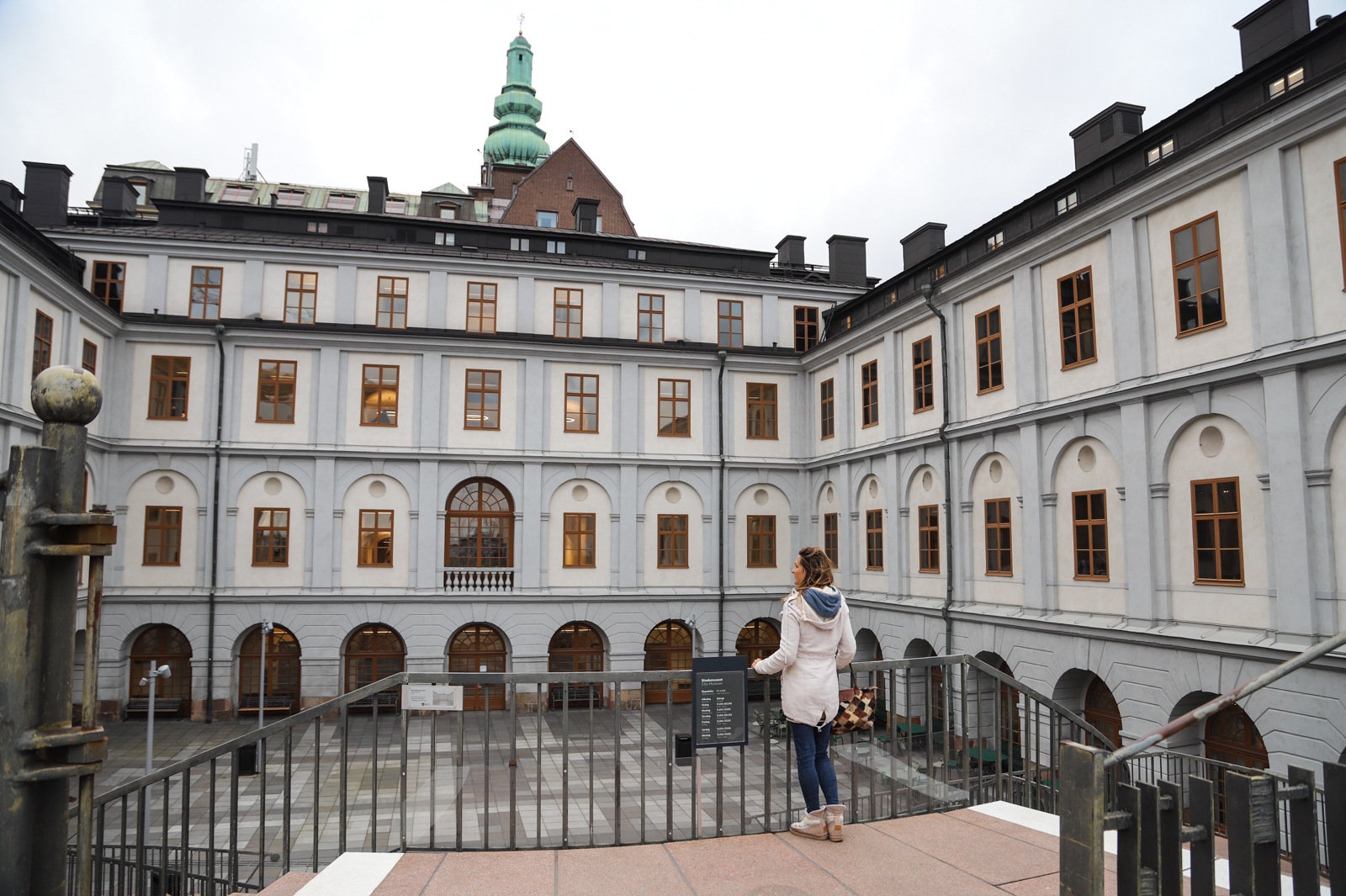
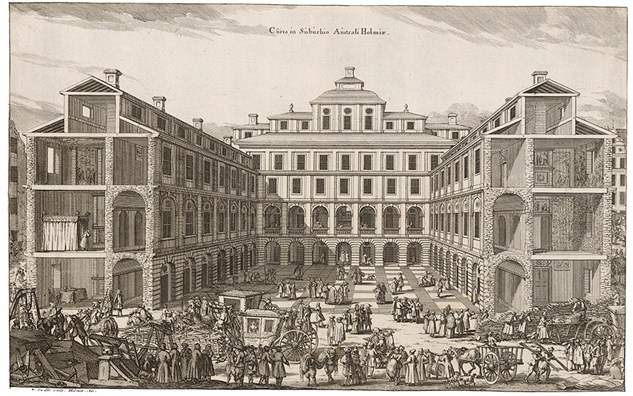
Traditionally a place dedicated to knowledge, the museum becomes a destination in itself when it inspires you to explore what lies behind its walls. A testament to its rich history, the imposing building that houses the Stadsmuseet (City Museum) inevitably attracts the attention of curious visitors. The museum's collections are displayed in the Södra stadshuset, the former town hall in southern Slussen, designed by Nicodemus Tessin the Elder and completed in 1680. Since then, it has served various purposes: a courthouse, a school, a prison, a tavern, and a church. It wasn't until the 1930s that the city museum was established there, opening its doors to the public in 1942.
Organized into thematic and chronological sections, the experiential tour, spread across four floors, reveals the transformations this hamlet has undergone since 1527 into a true metropolis over the centuries. The permanent exhibition unfolds across 31 rooms and 1,200 square meters, transporting visitors from one era to another. Two spaces are reserved for temporary exhibitions, totaling over 3,400 square meters dedicated to preserving the city's cultural heritage, bringing it to life, and passing it on to the residents of Stockholm, tourists, and future generations. From the very beginning of the tour, visitors are drawn into a narrative spiral, encountering the major events that have profoundly shaped and transformed the city we know today.
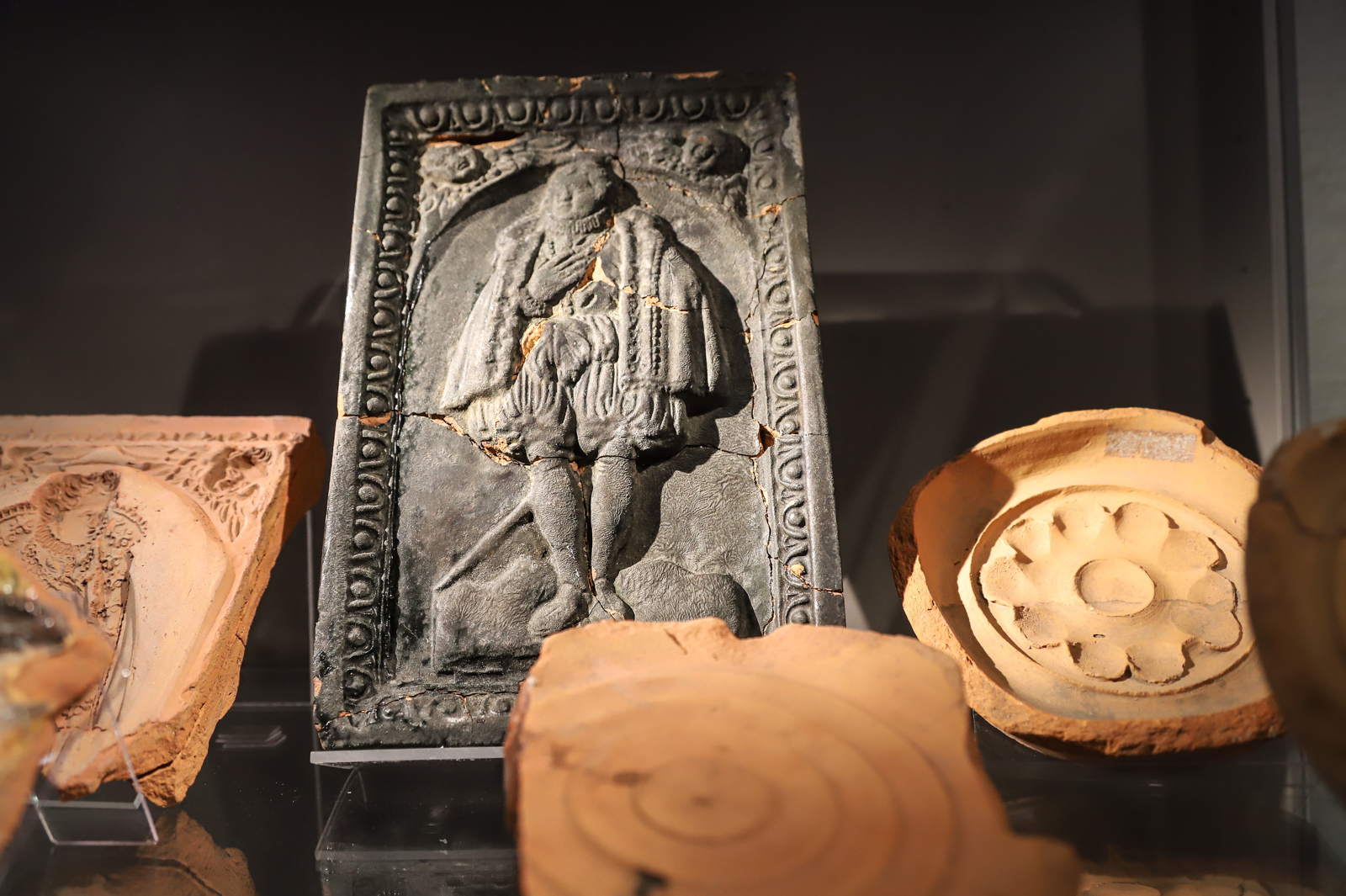
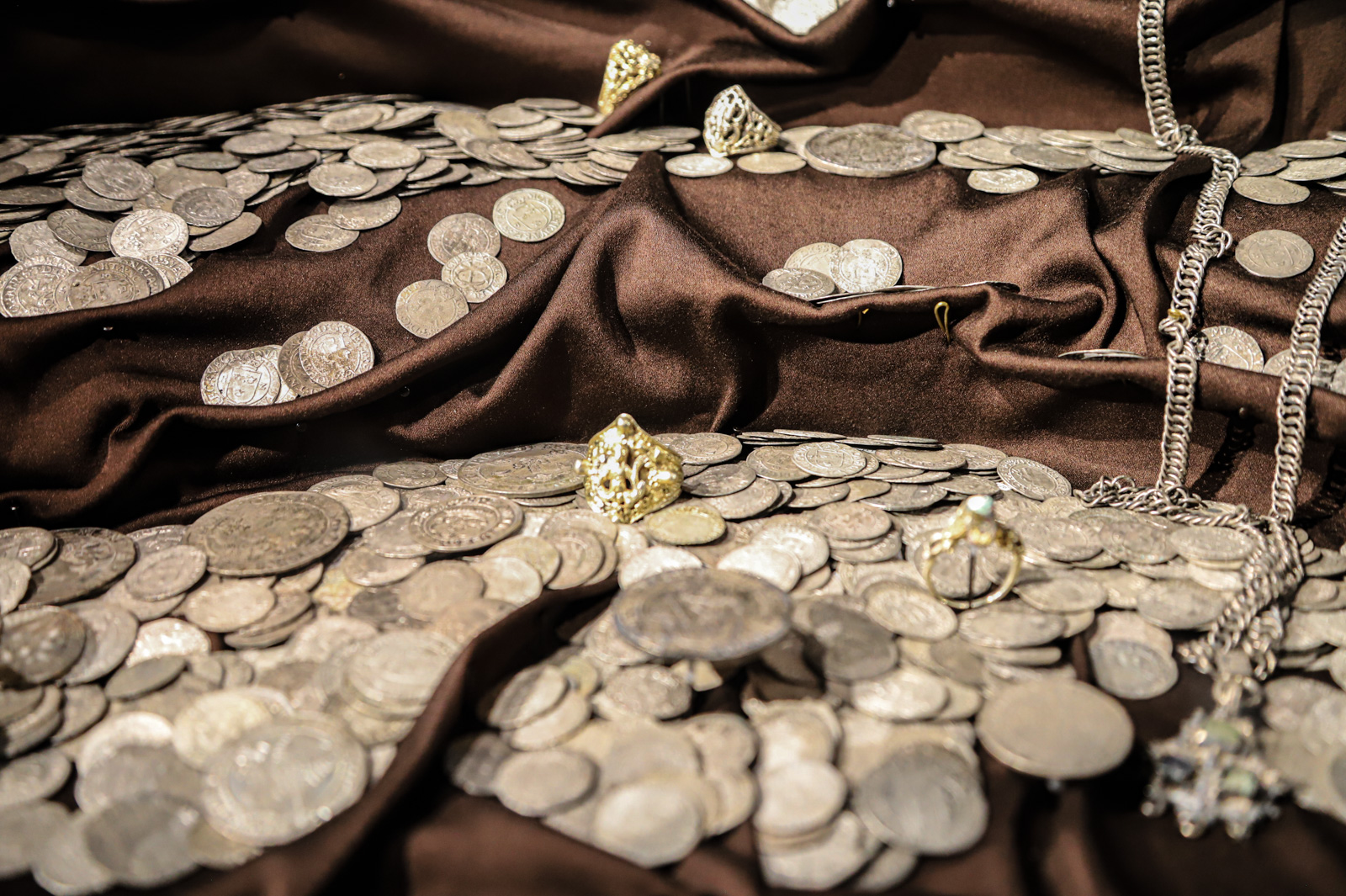
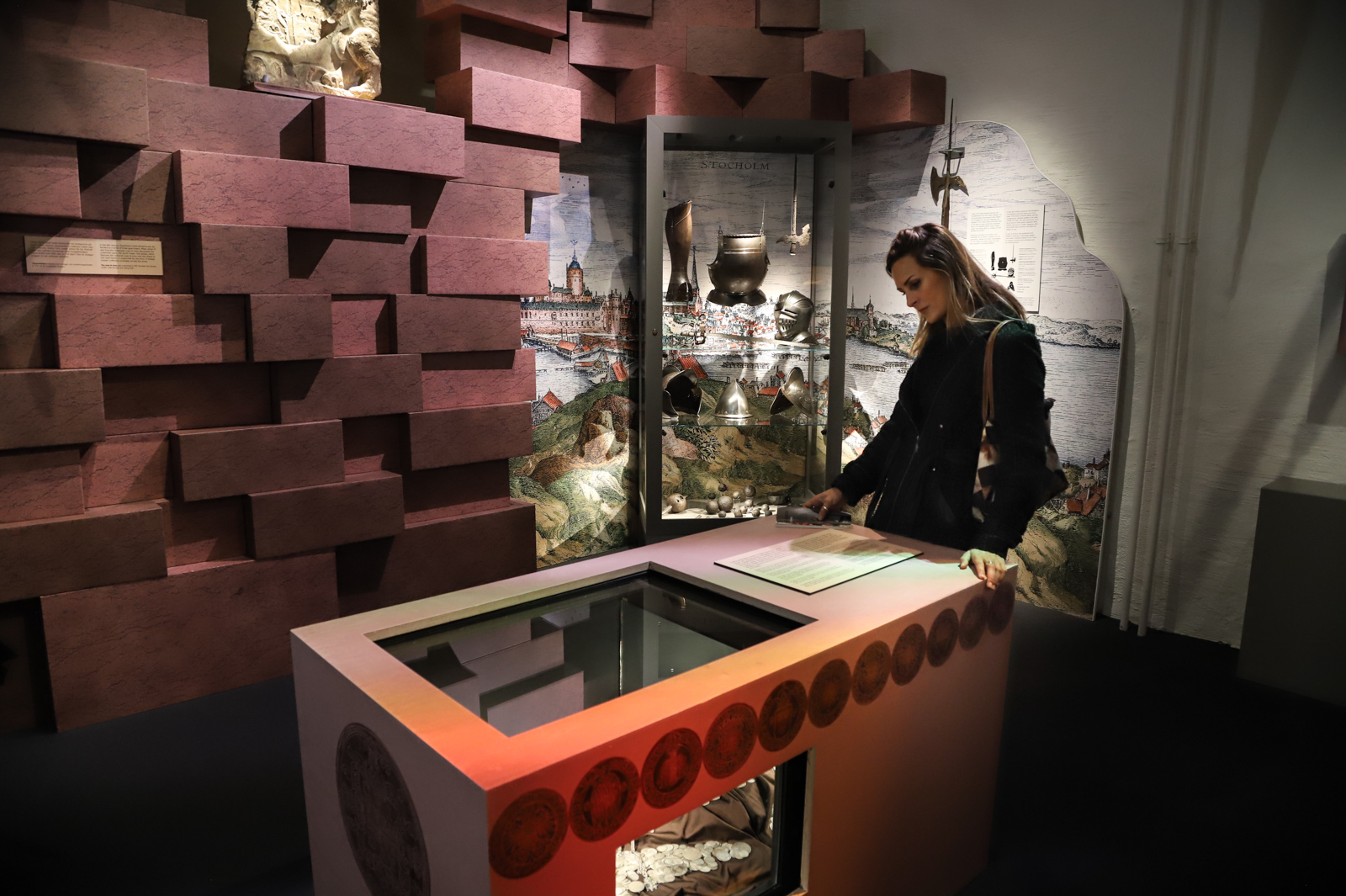
Indeed, this superb cultural space offers a fun and engaging historical museum experience thanks to clear and concise explanations (in English) and human-scale multimedia displays. Each stage of the visit is enhanced with films, interactive visual and sound animations that bring the objects to life and contextualize the presentation of the collections. The museum explores the city's past, invites reflection, and allows for a deeper understanding of its development through photographs, original documents, paintings, and more.
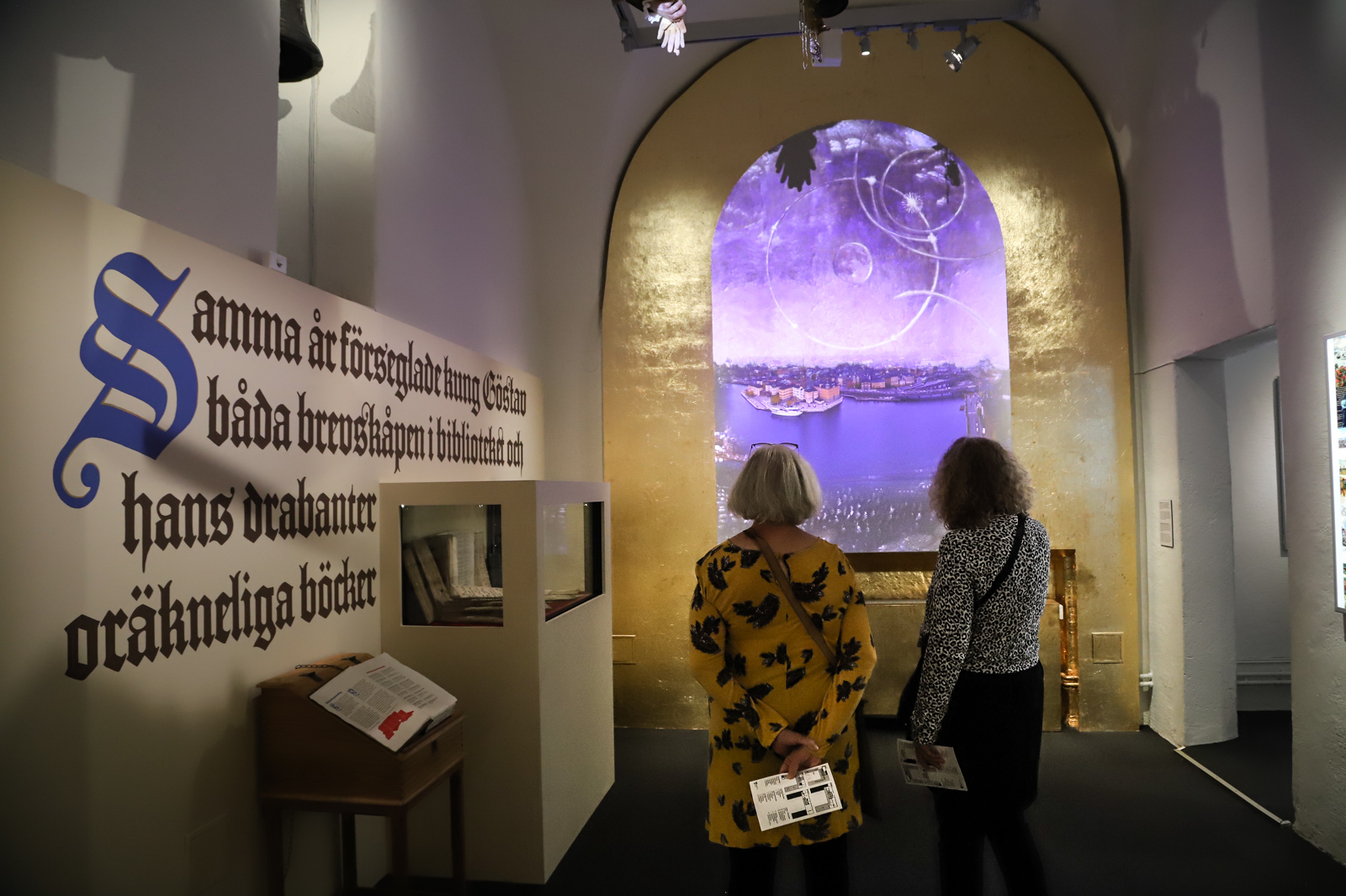
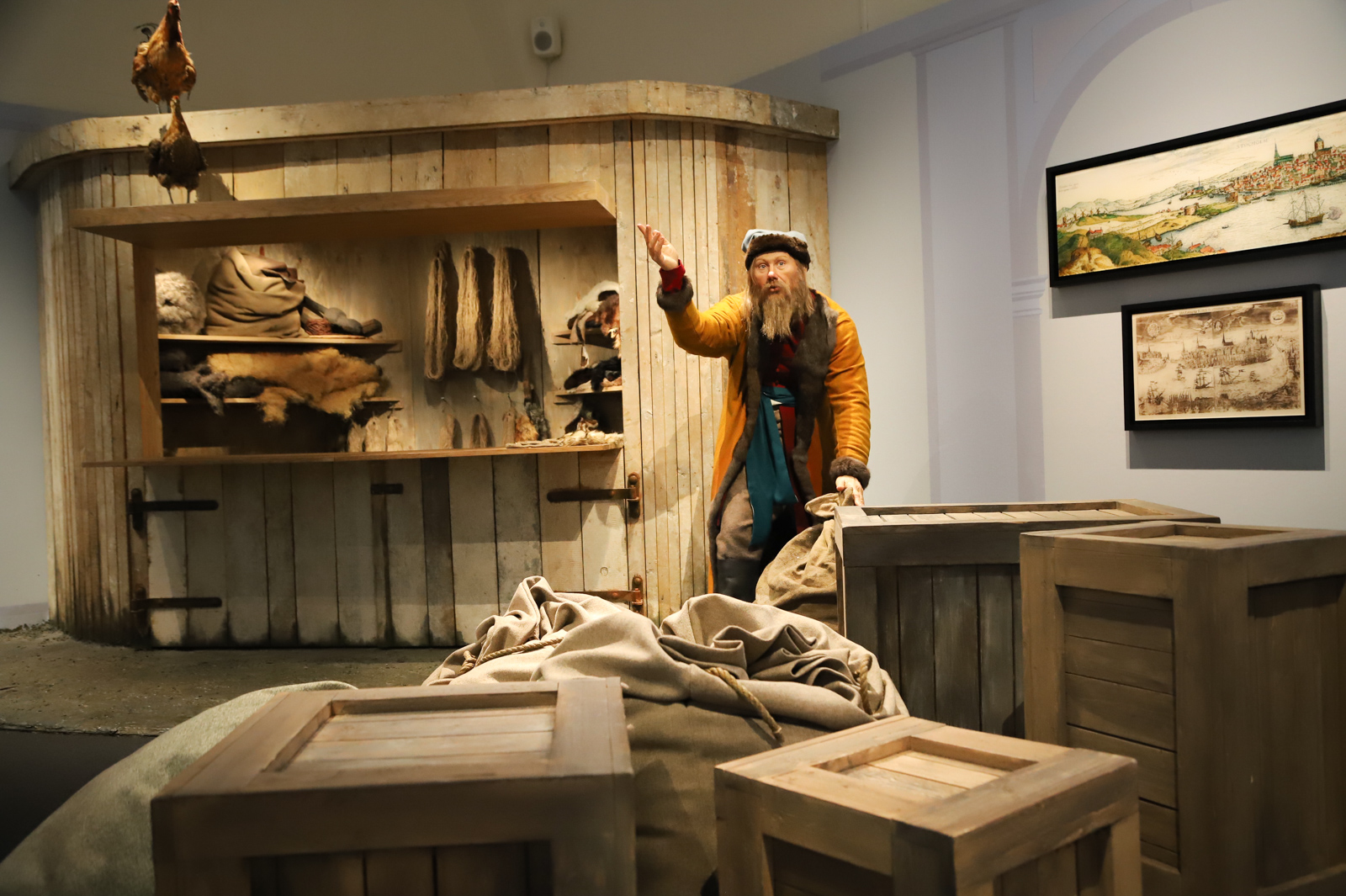
A chronological itinerary of Stockholm's development
Combining the pleasure of discovery with the acquisition of knowledge about the city and its urban issues, the historical sequences of the route are revealed through major pivotal periods.
- The King's City 1527-1630: Stockholm is just a small maritime and port hamlet beginning to organize itself: it is the epic story of tax collectors, soldiers, and Russian merchants offering their goods. The people live in poverty and squalor.
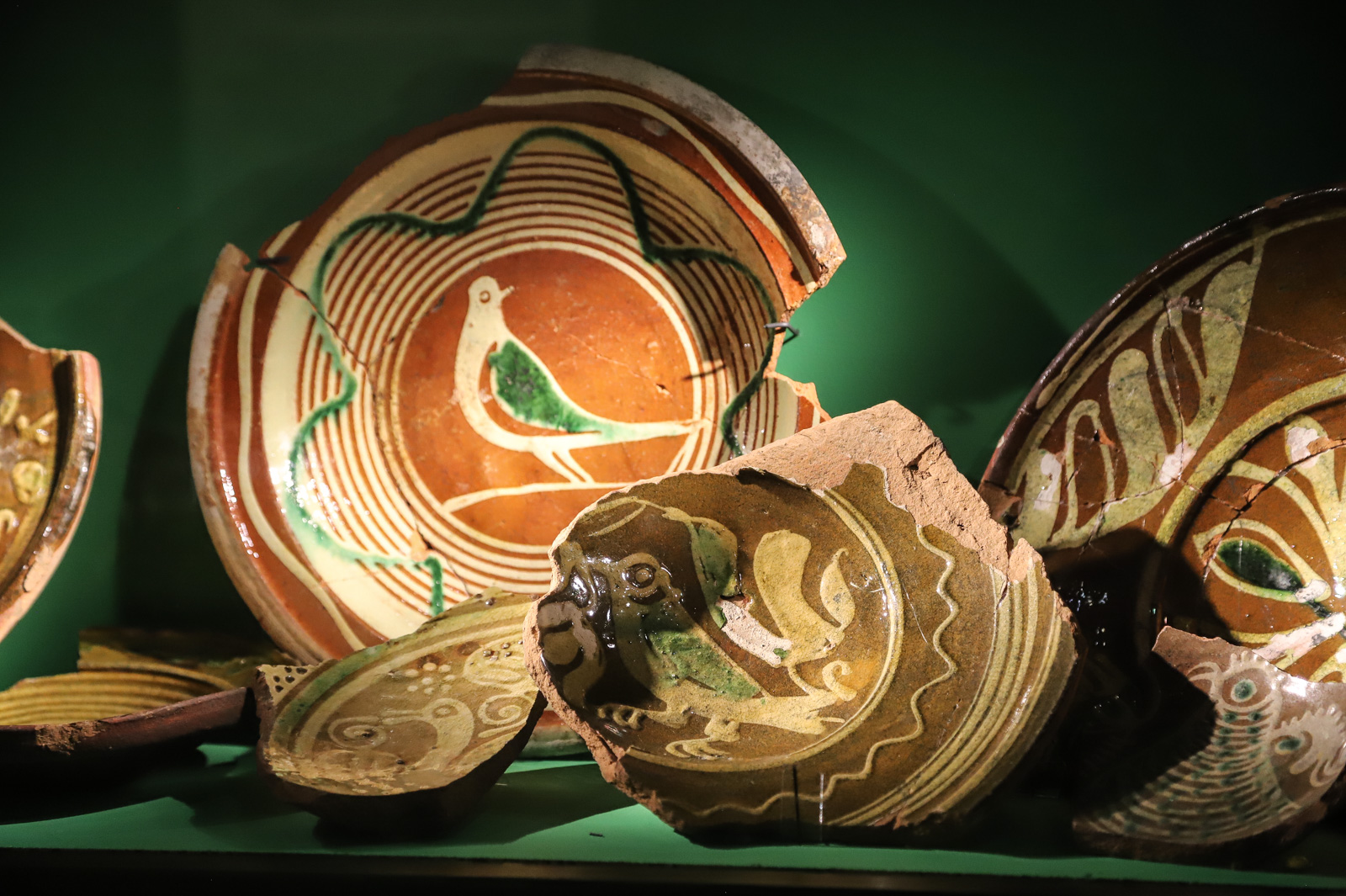
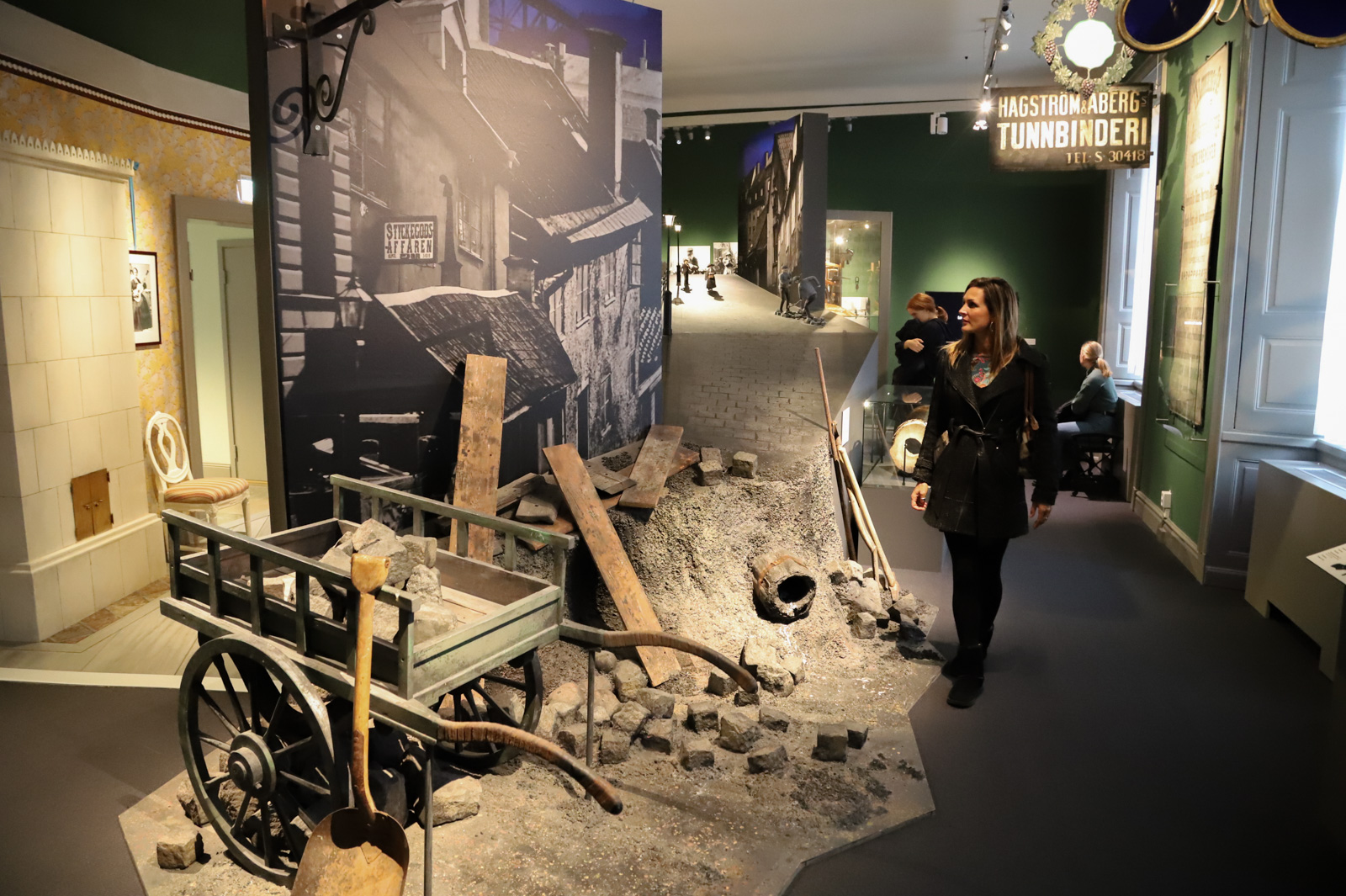
- The capital 1630-1720: The city became more bourgeois and attracted urban planners, civil servants, and wealthy aristocrats who mingled in Stockholm's salons. It was also a time of poverty, refugees, and plague victims.
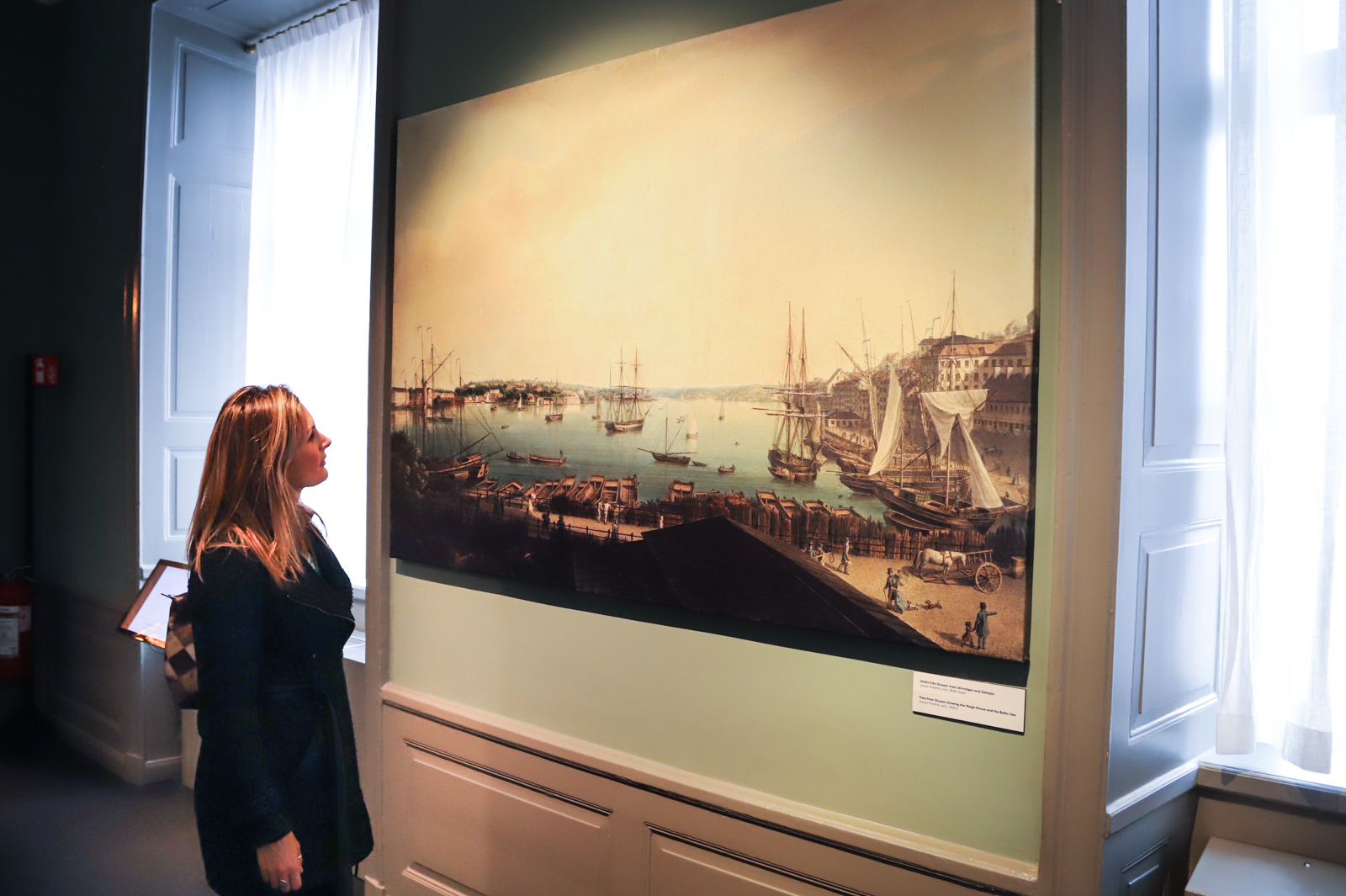
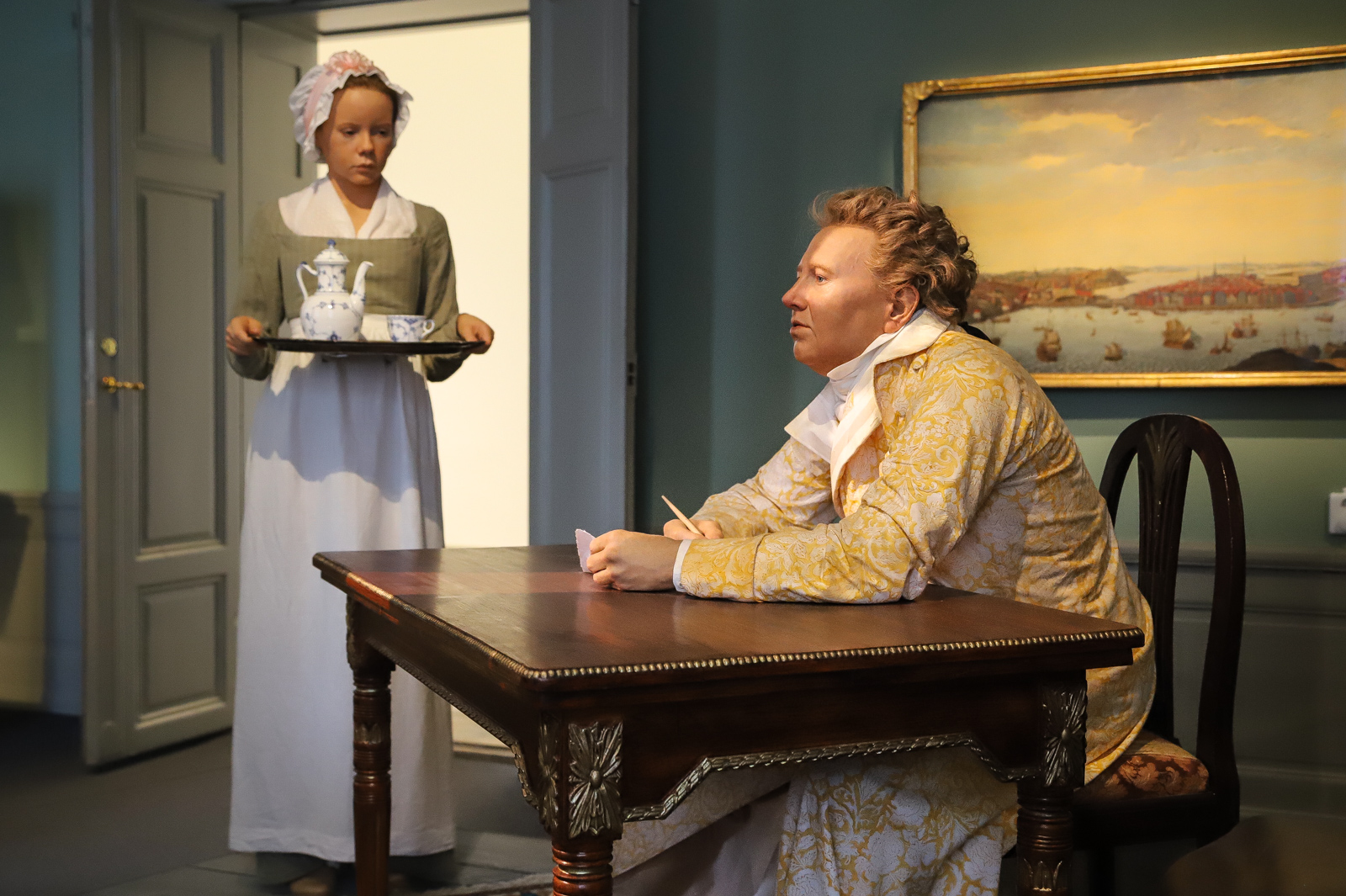
- The trading city 1720-1860: the city prospered thanks to its merchants and became a dominant power in the Baltic Sea. Populations mingled, but poverty still plagued the city.
- The industrial city 1860-1921: This is the rural exodus; Sockholm is teeming with farmers who have come from the countryside to work in the factories. They organize themselves into unions to protest against unfair working conditions, to obtain the right to vote, or to promote austerity.
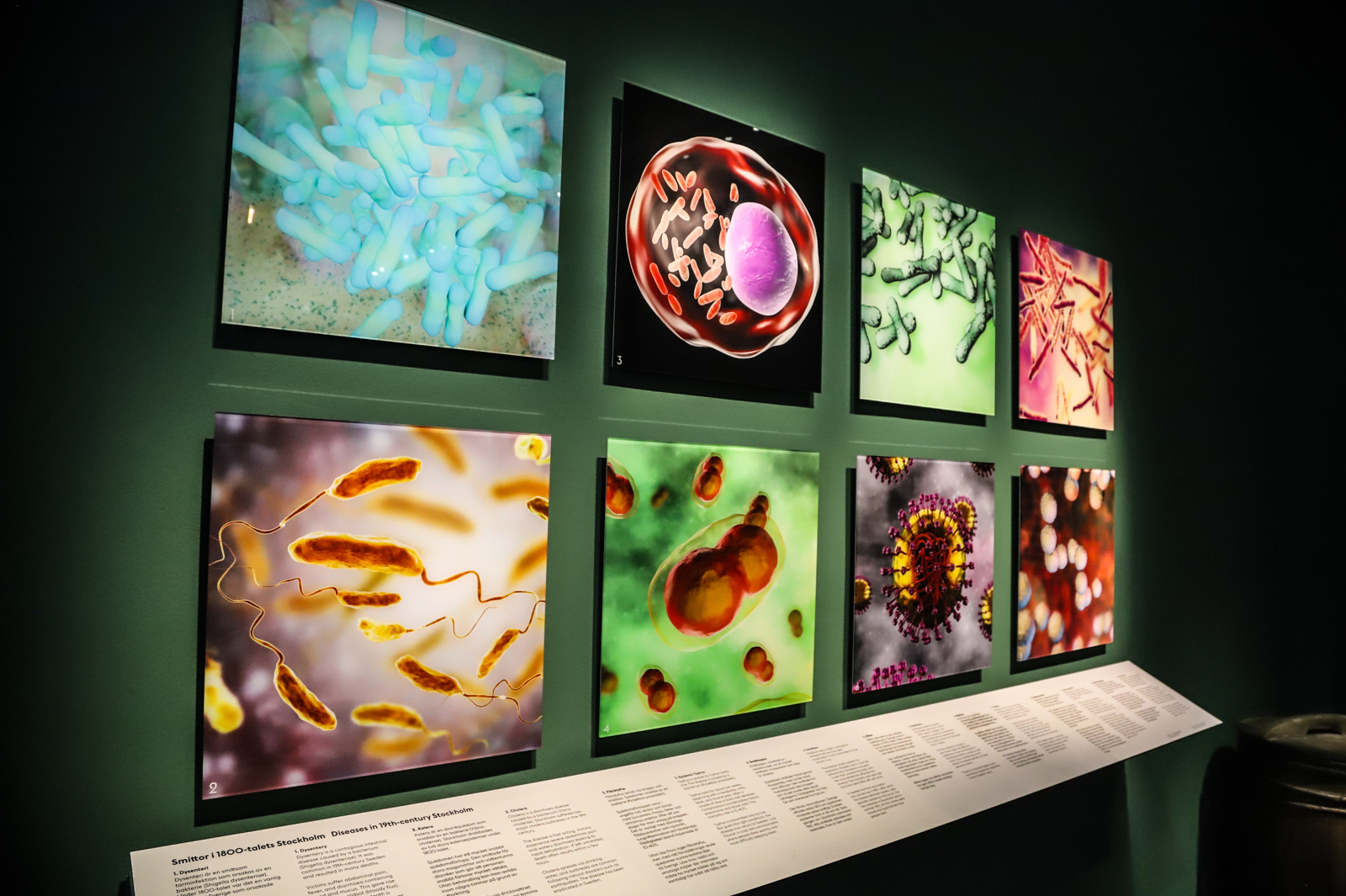
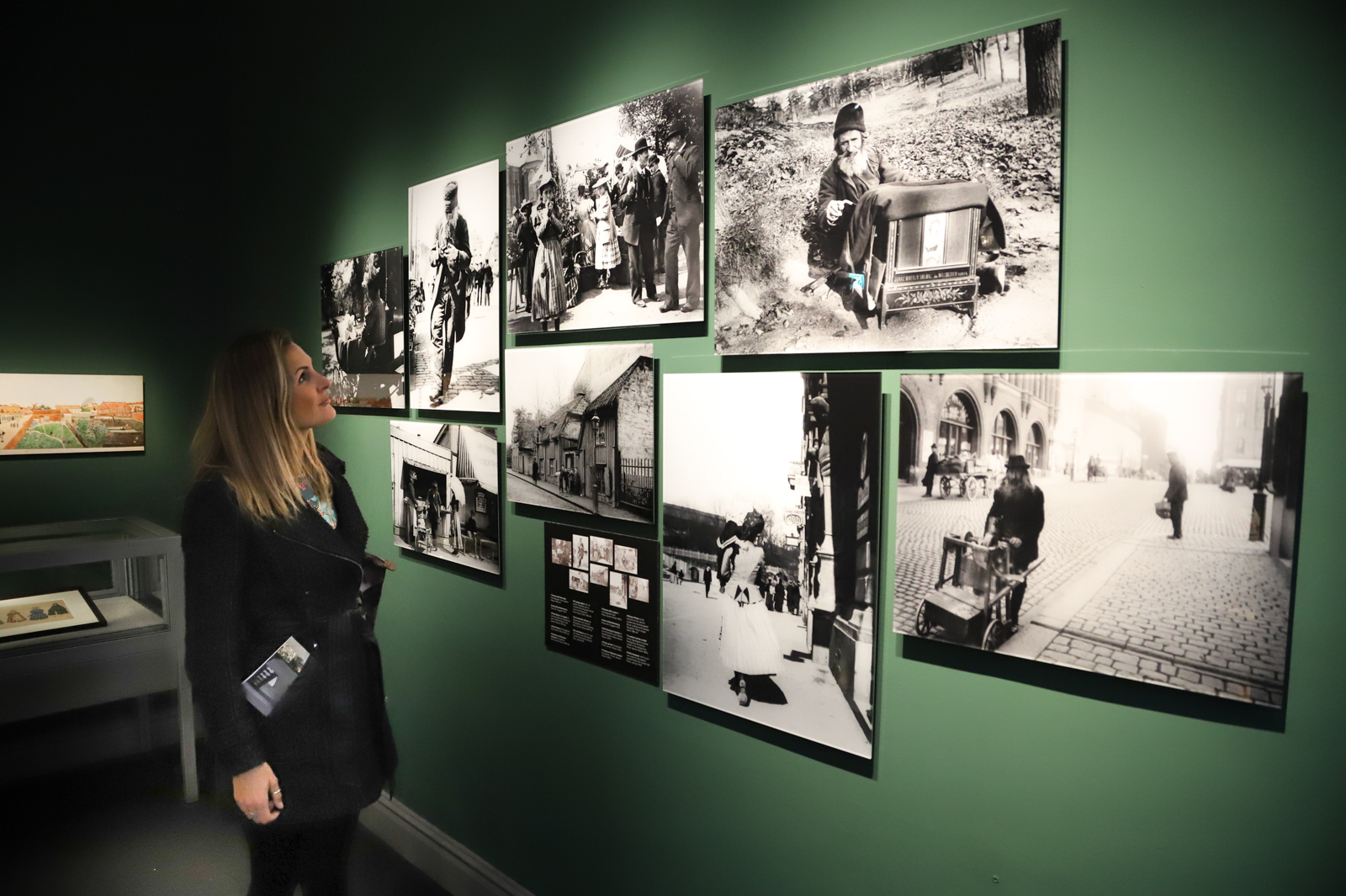
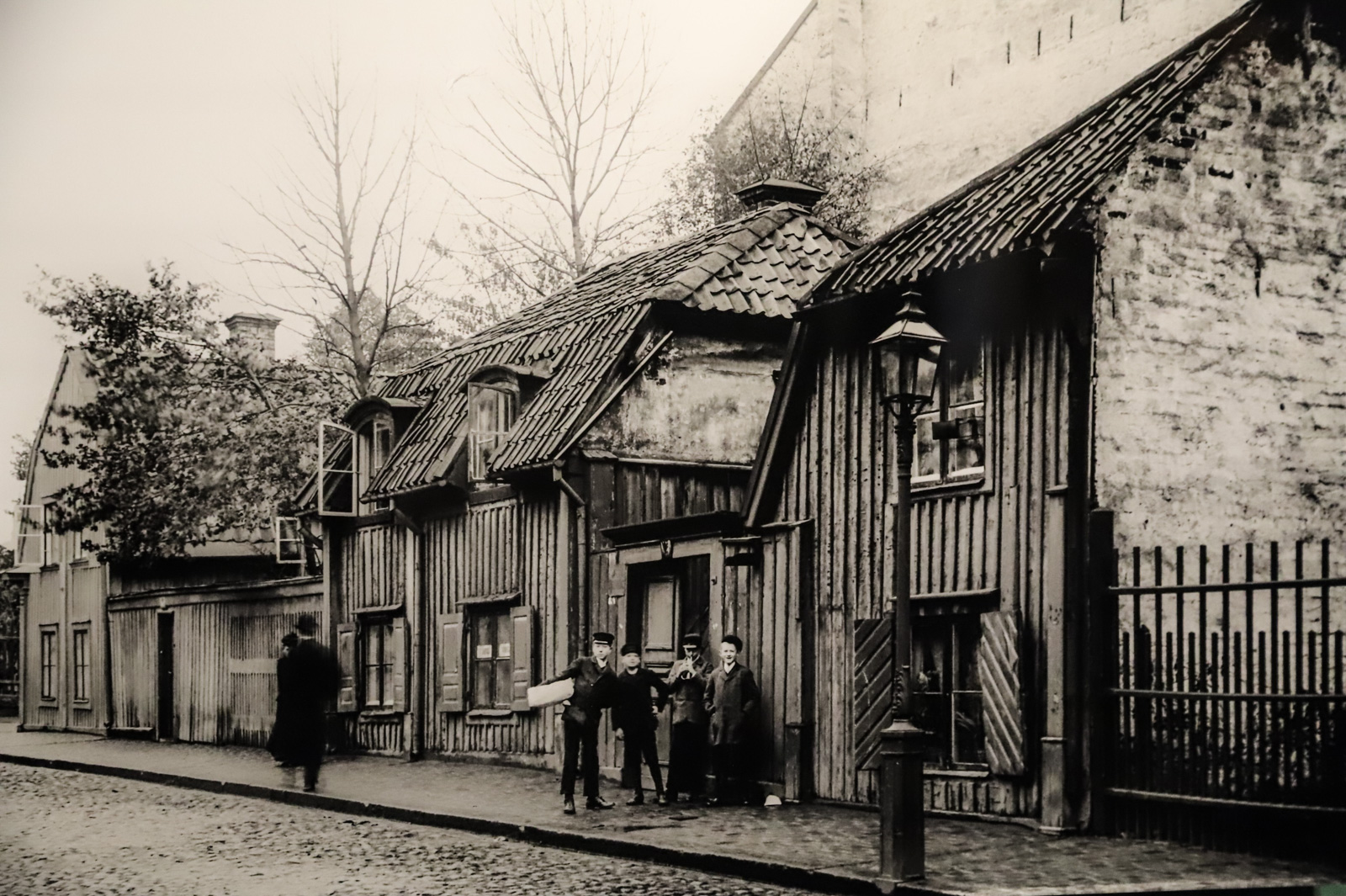
- The modern city 1921-1950: The era of modernity and the Roaring Twenties. Stockholmers discover jazz and entertainment. The city transforms and becomes cosmopolitan.
- The city has enjoyed global renown from 1950 to the present day: Stockholmers benefit from a high standard of living, with suburbs served by the metro and equipped with garbage chutes in residential buildings. The rock 'n' roll era and its youthful energy have made it a major center for music, nightlife, and culture in Europe.
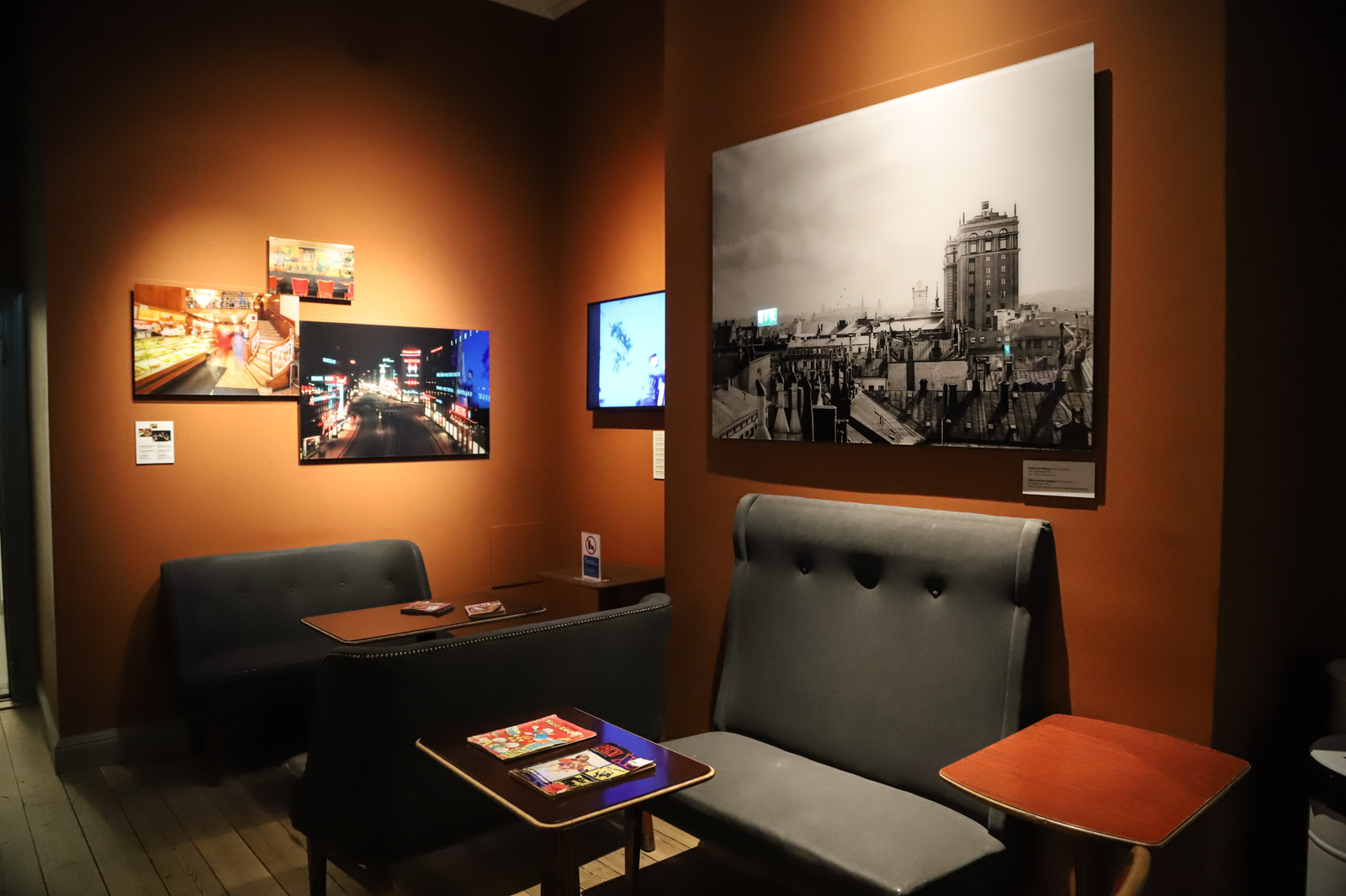
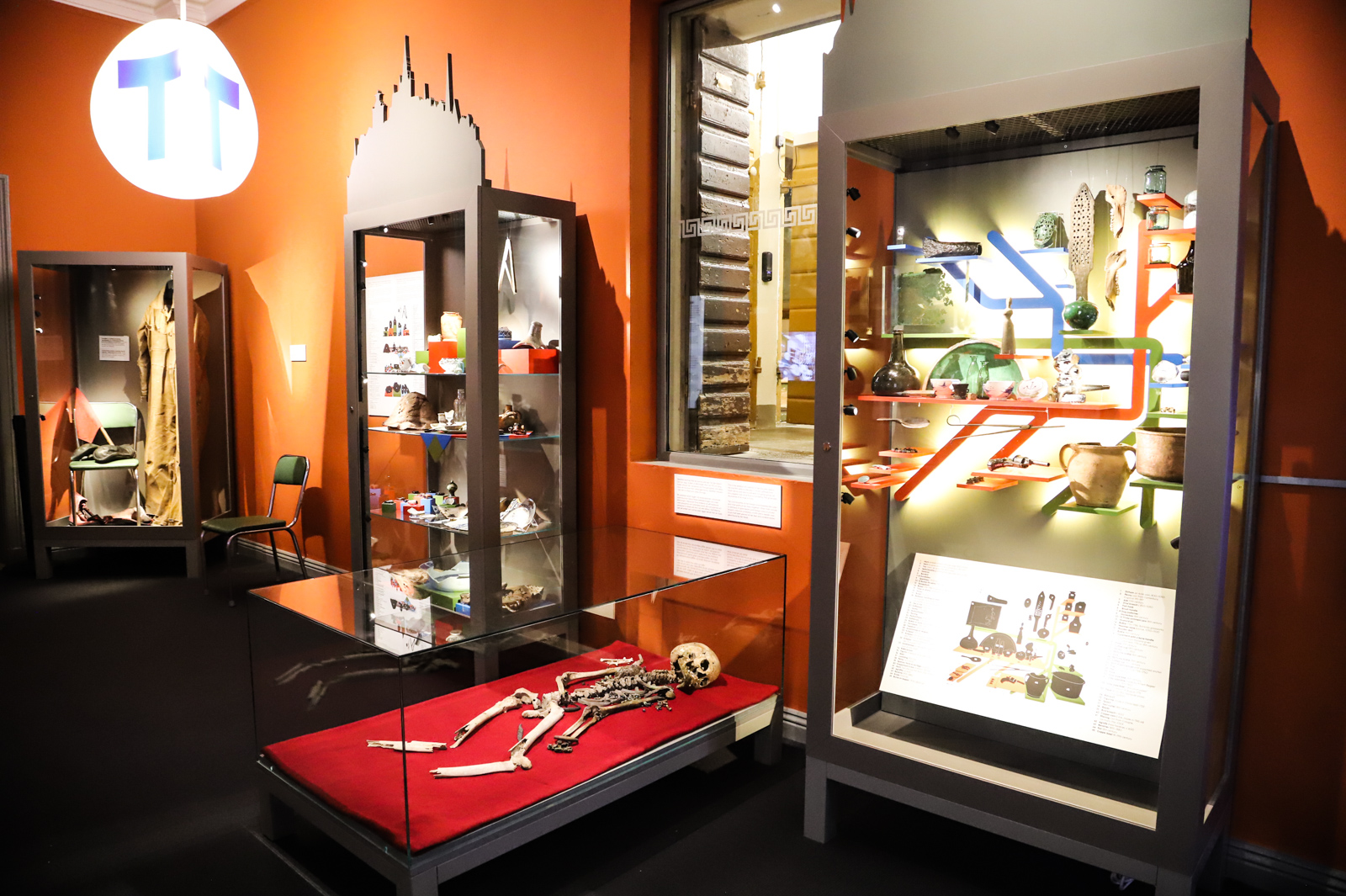
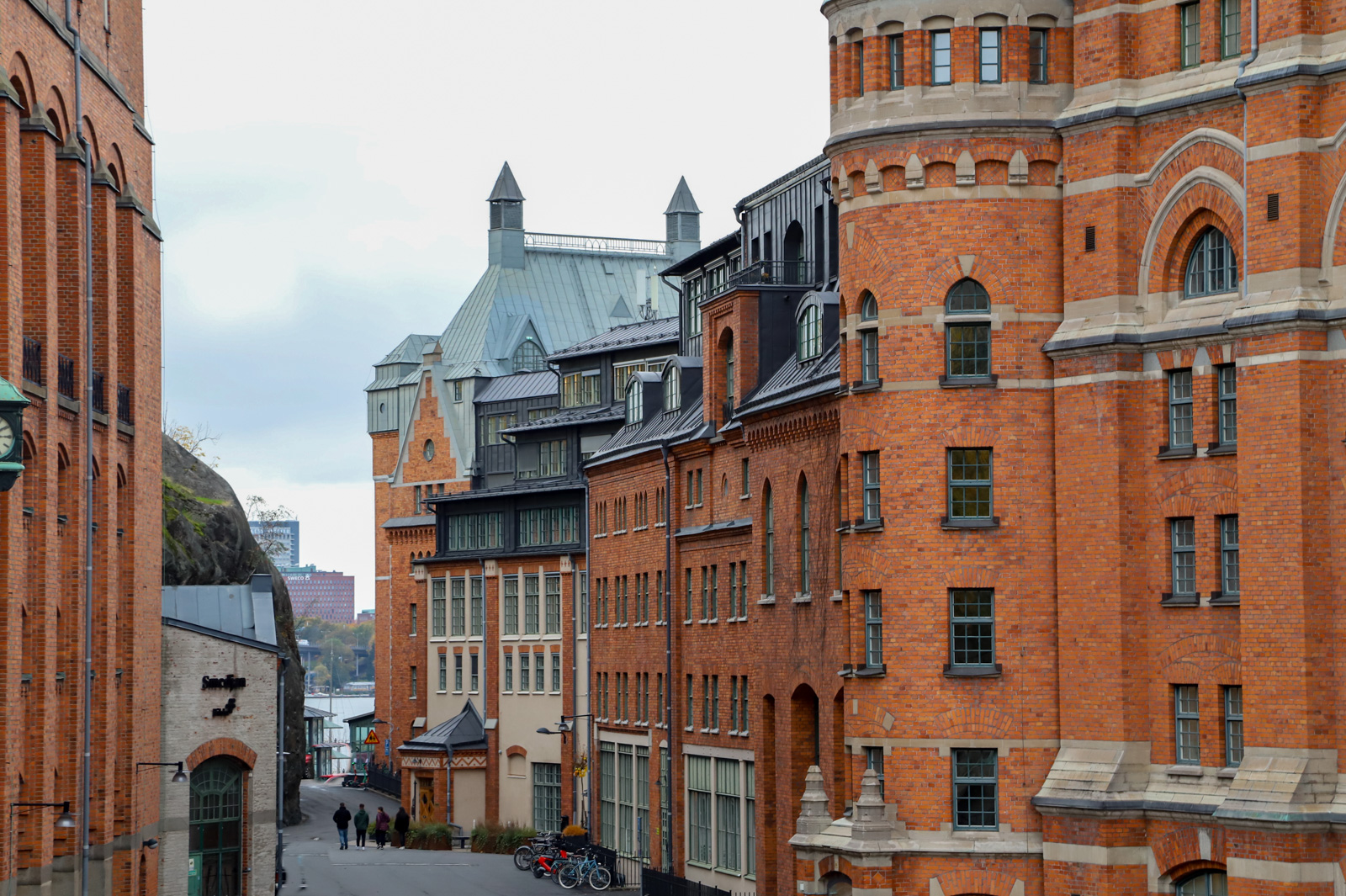
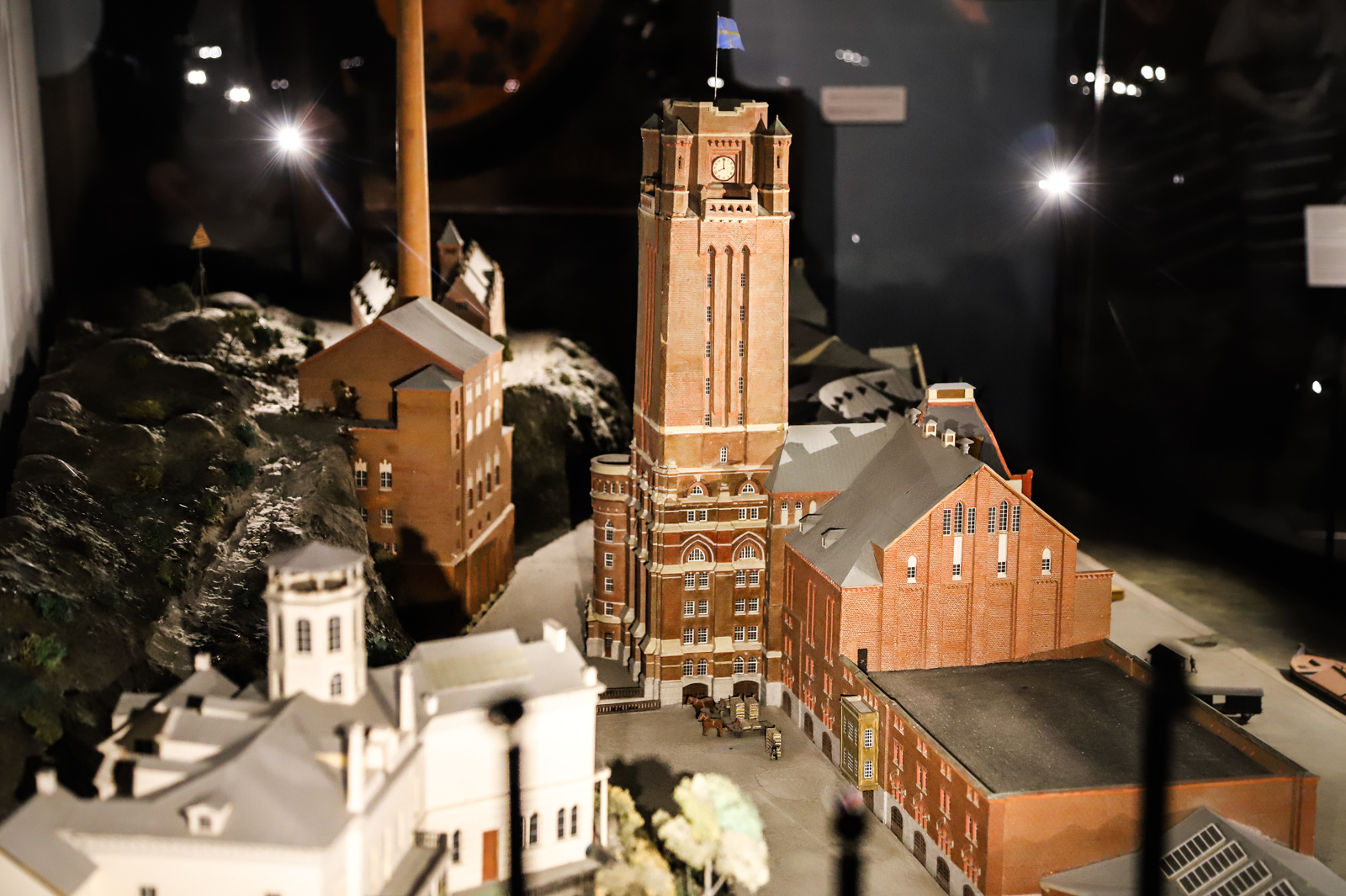
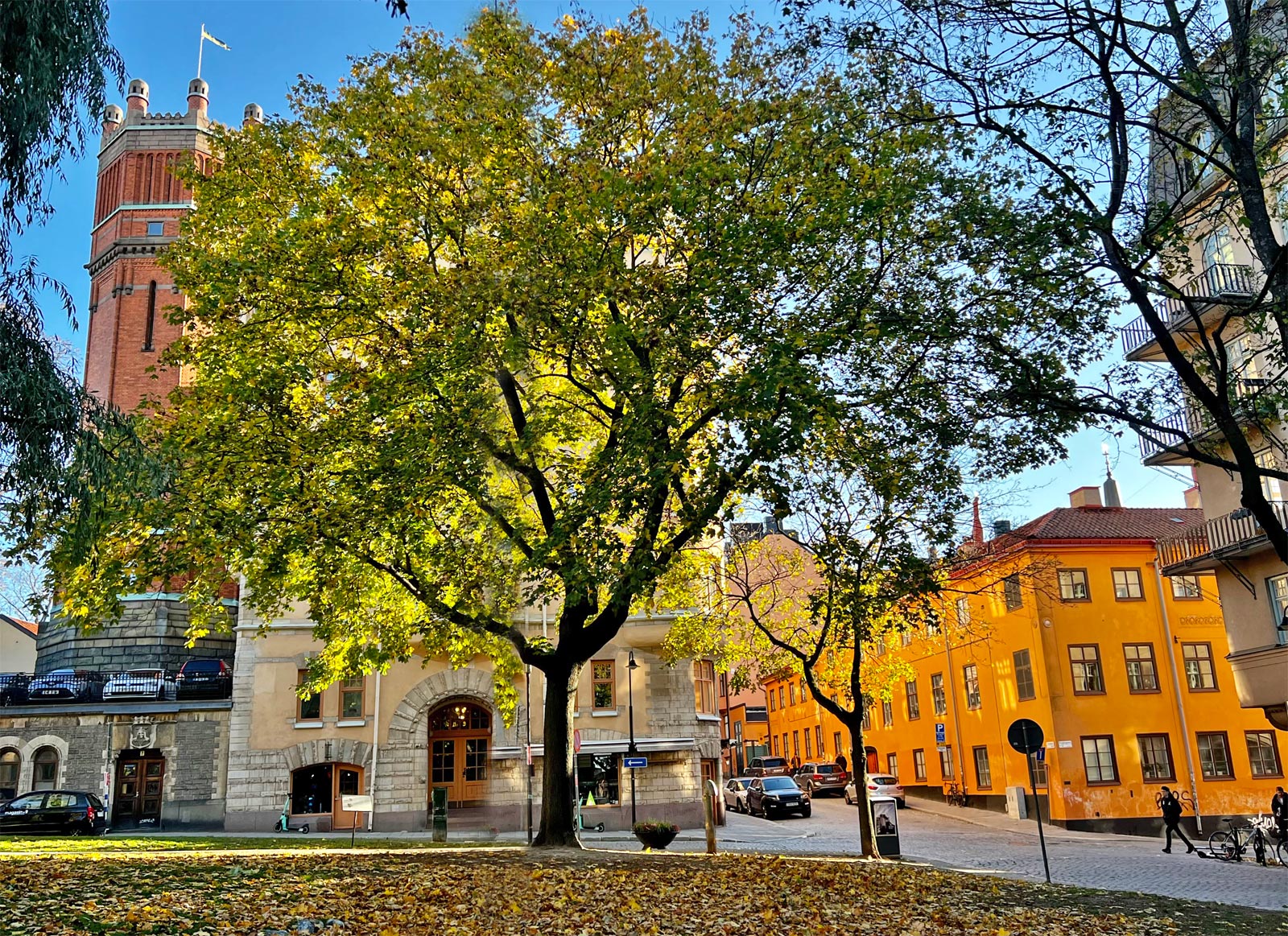
In the mid-19th century, numerous breweries opened in Stockholm with industrialization. It's fascinating to see models in the museum and then recognize the same buildings while walking around the city, like this brewery located on the Södermalm waterfront.
Emotion, escape, and curiosity
The Stockholm Museum houses in its permanent collection historical treasures that form the soul and face of the city: commemorative objects, models, relics, simple witnesses and revelations of people's lives and values. These objects, illuminated by chronological and thematic context, regain their meaning and tell the story of the city, whose unique location on an archipelago on the Baltic coast has shaped its history. Each space offers a different atmosphere and provides a fresh perspective on the collective heritage of Stockholmers.
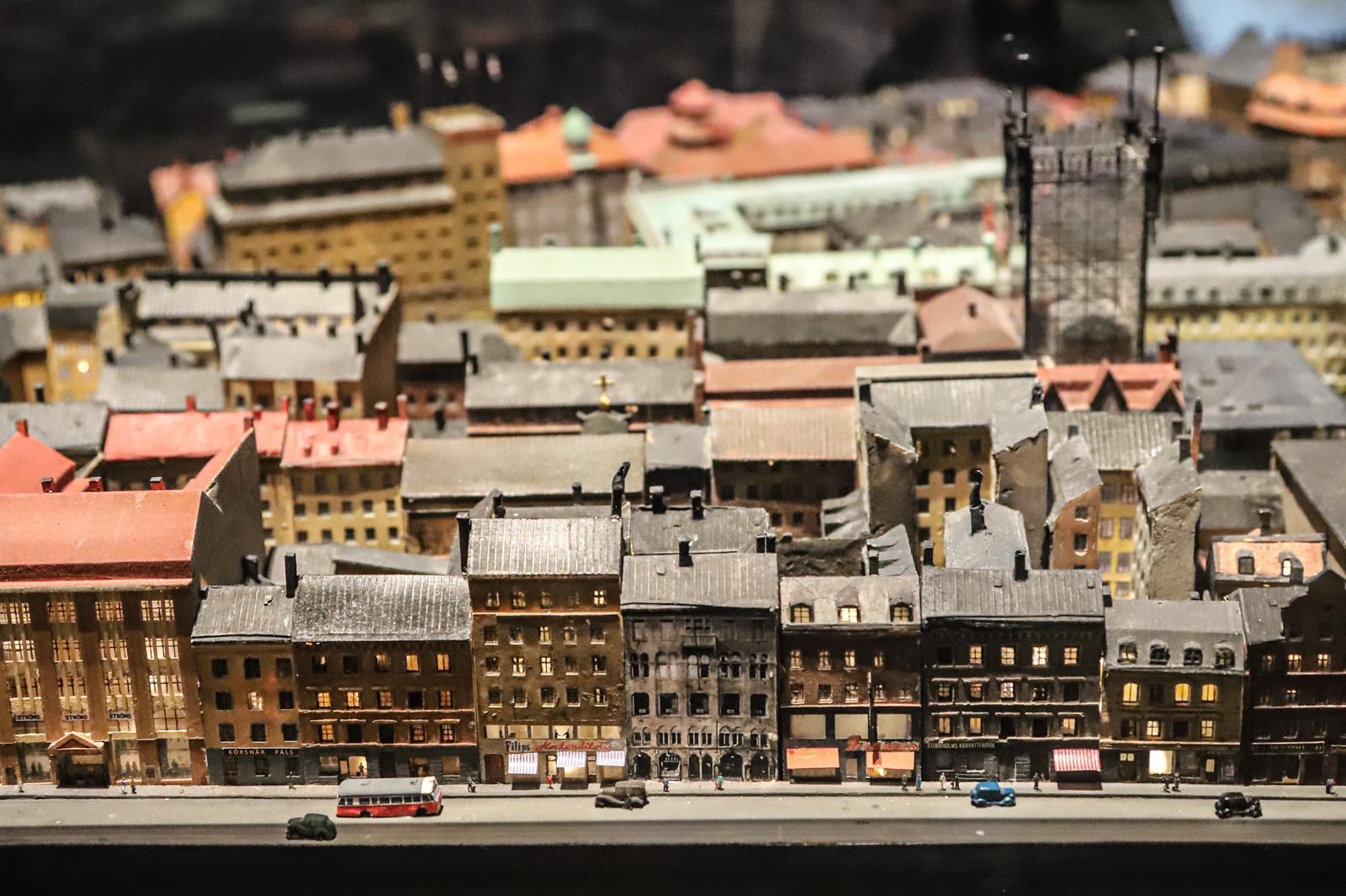
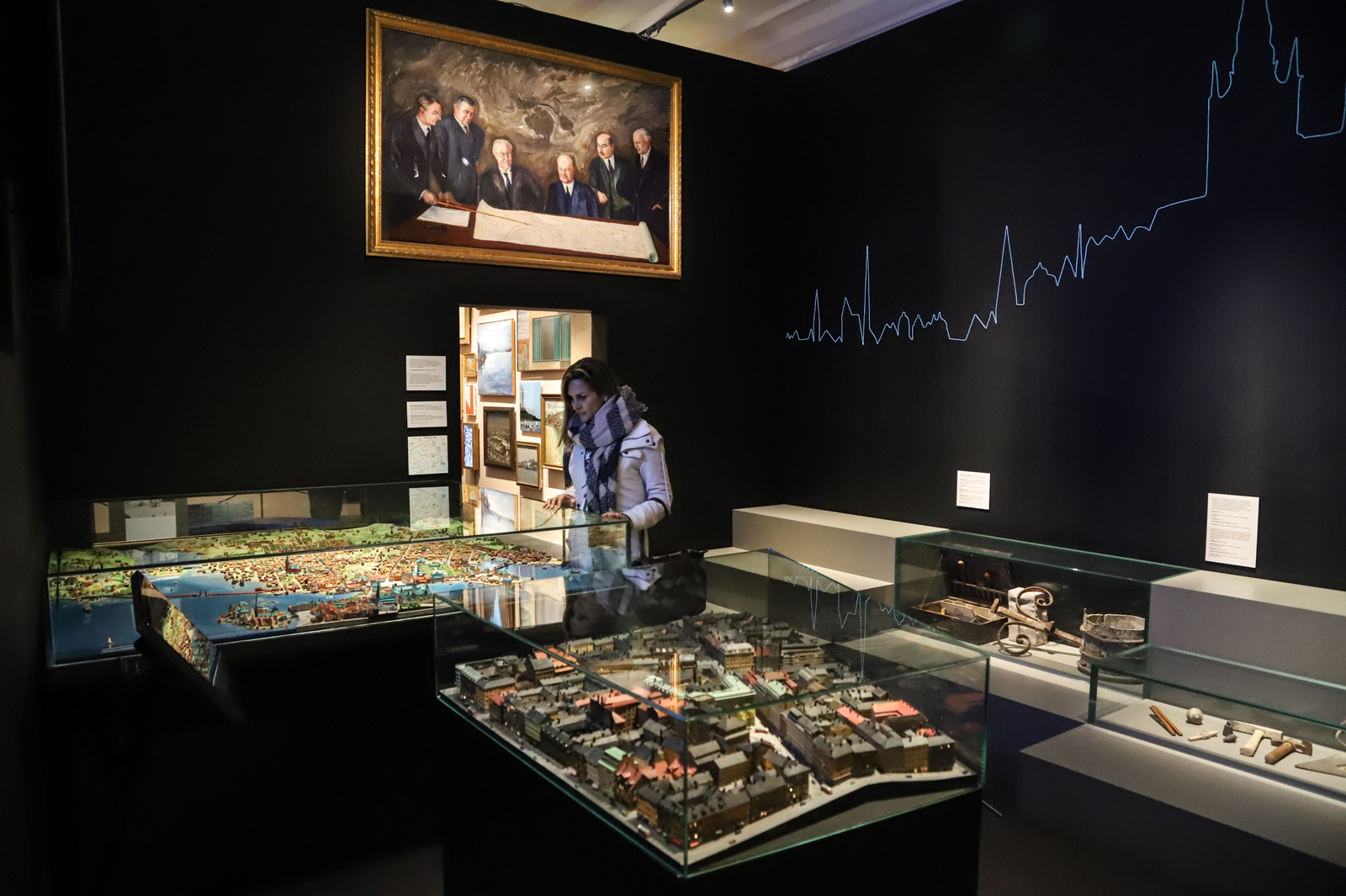
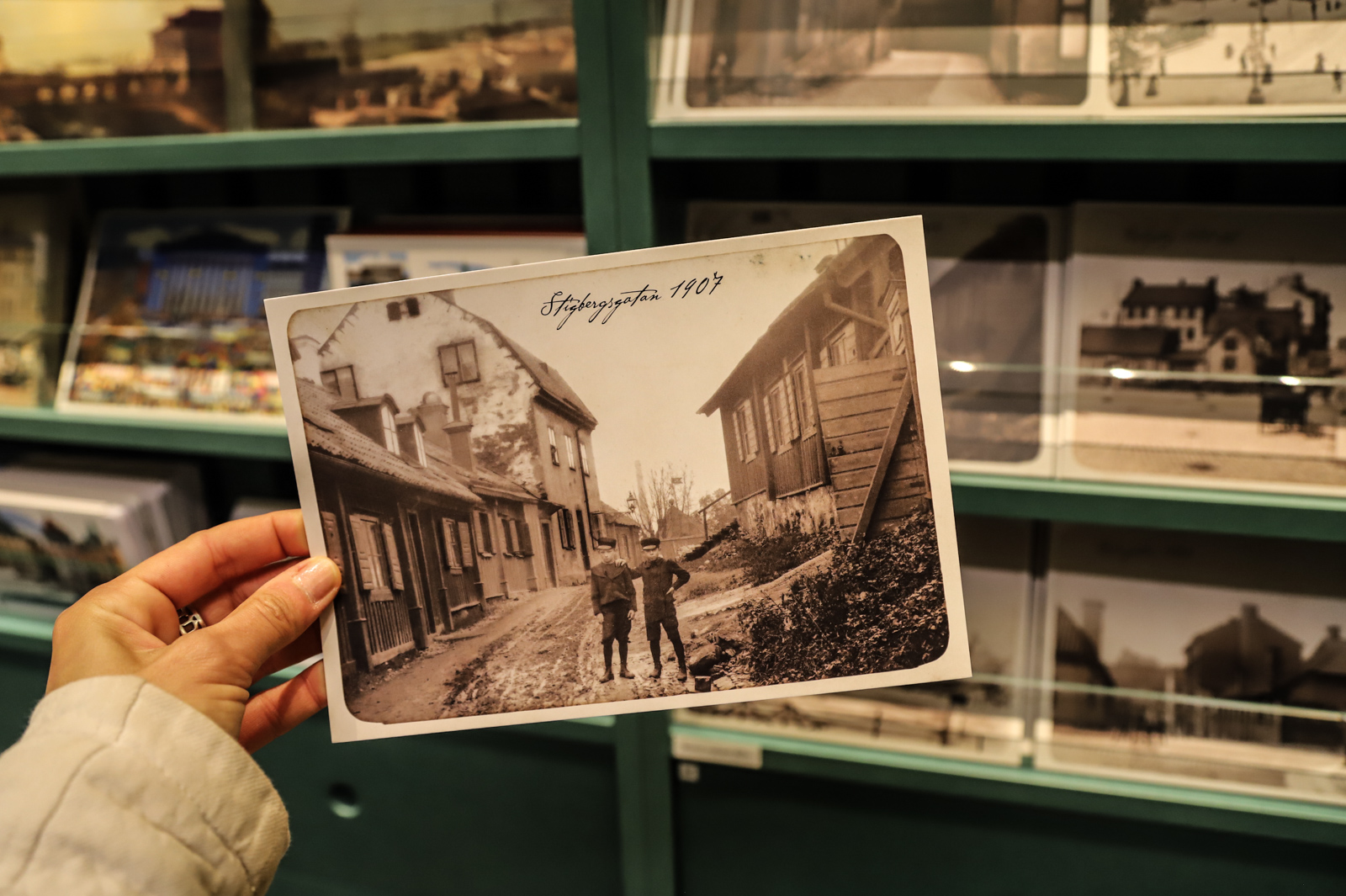
The museum is free and offers a fascinating introduction to the city's history. The exhibits provide all the necessary clues to locate historical sites and rediscover them in the modern city! Allow at least two hours to explore all the floors. On-site, you'll find a restaurant and a gift shop where it's worth lingering, if only to browse the vintage postcards of the capital's famous landmarks.
For history buffs who want to step back in time and learn more about Stockholm's medieval past, the Stockholms Medeltidsmuseet, located right next to the Royal Palace, presents exhibitions on the city's history from the 13th century to the end of the Middle Ages (from the reign of King Gustav I Vasa). With these exhibits, the history of Stockholm from the Middle Ages to the present day will hold no more secrets for you!
Stockholm City Museum / Stadsmuseet
Ryssgården
Slussen
116 46 Stockholm
+46(0)8-508 31 620
Stockholm à la carte
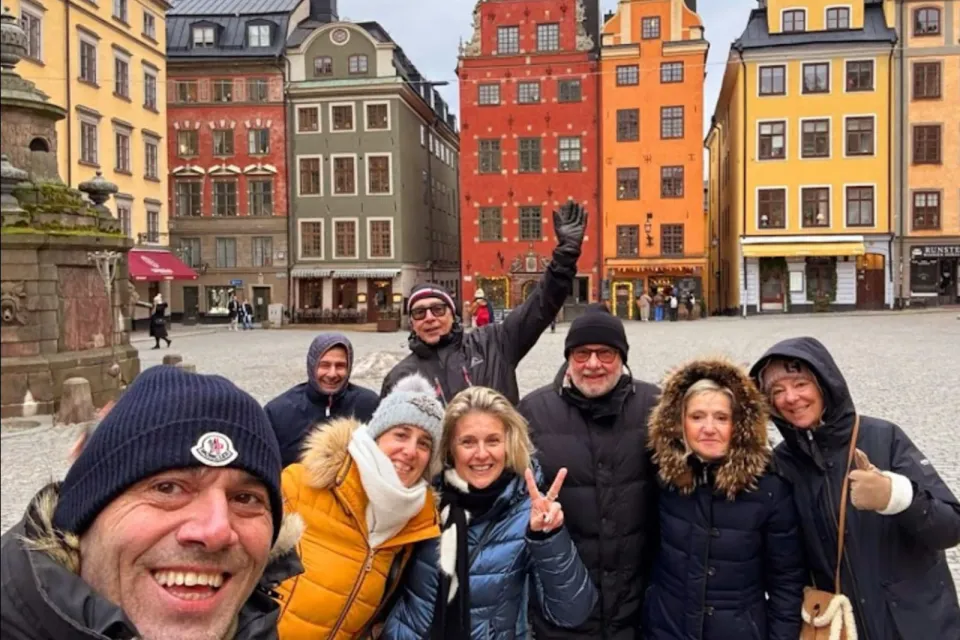
Guided and tailor-made walking tours in Stockholm
Stockholm à la carte
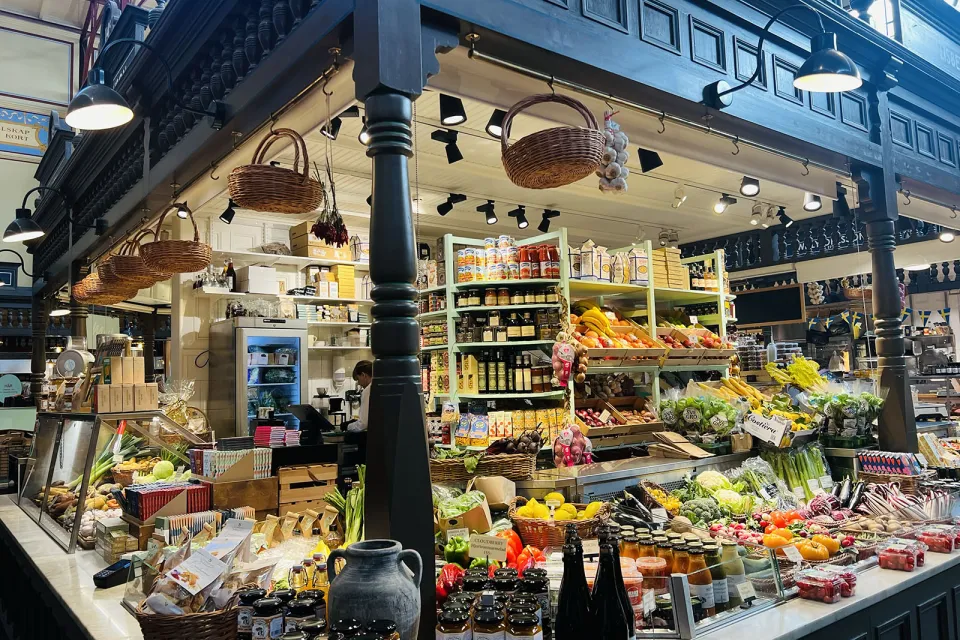
Discover Scandinavian culinary culture on a guided tour in Stockholm
Stockholm à la carte
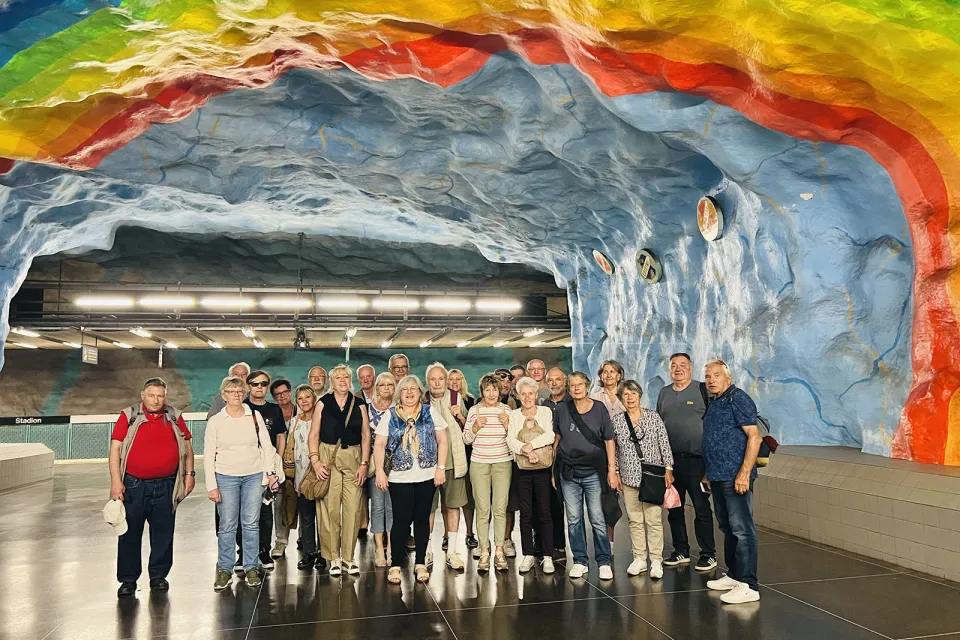
A breathtaking cultural trip to Stockholm
Did you enjoy our article? Find more on our " Experiences to Live " blog. Follow us on the City Guide Stockholm Facebook page and on Instagram @stockholm_city_guide
You will also like
Where to swim in Stockholm during the summer season?
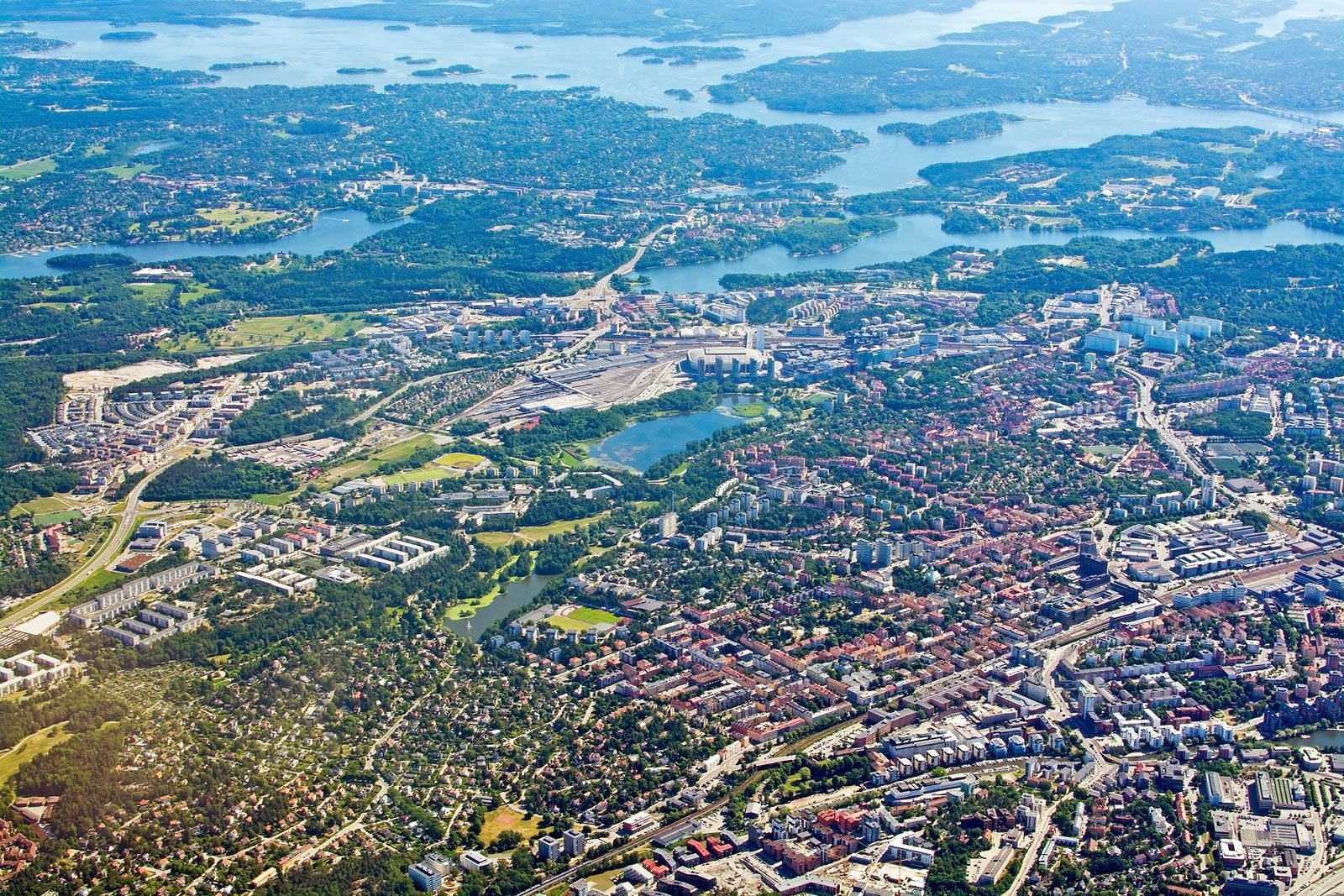
Must-see attractions in Södermalm
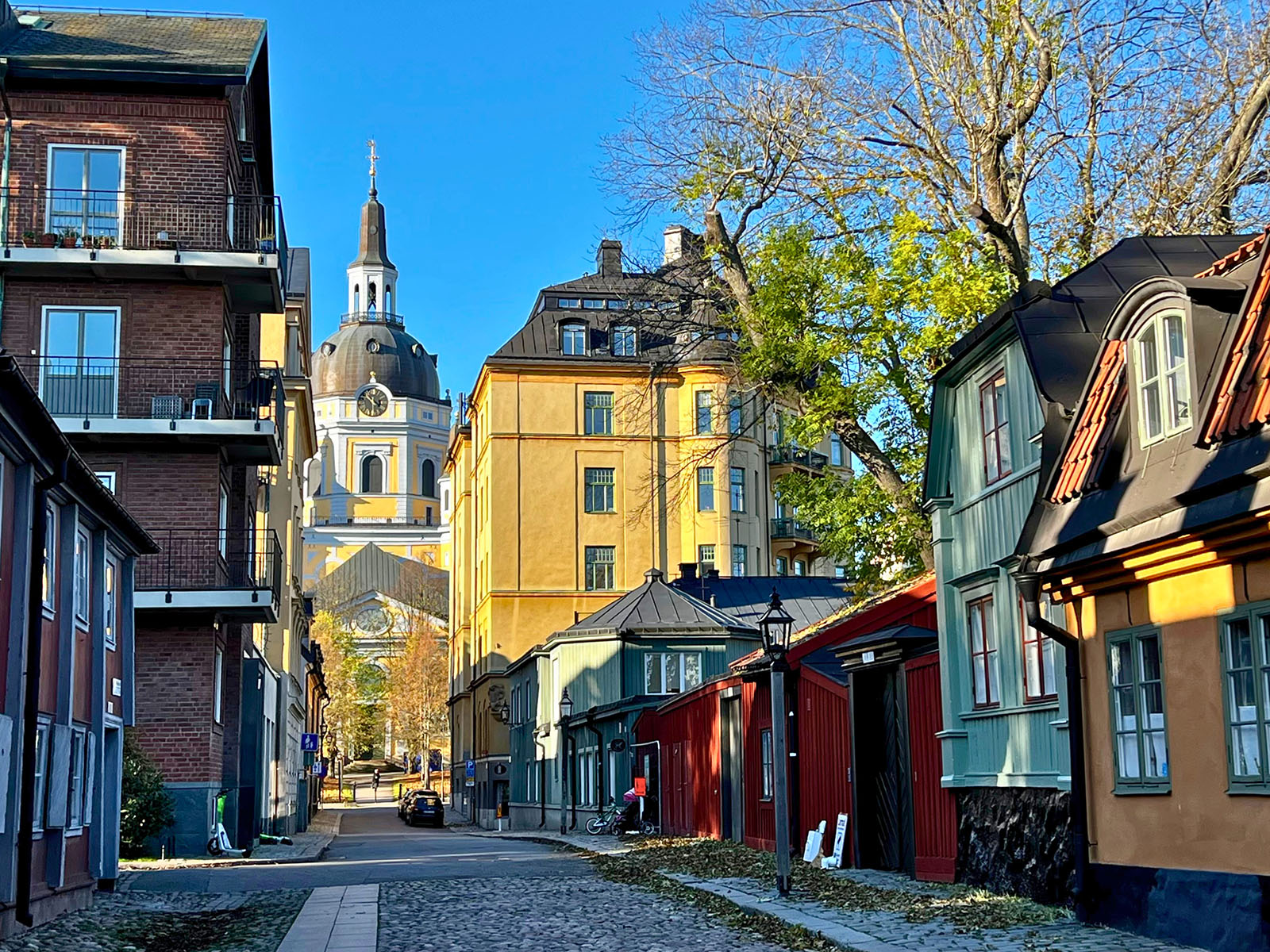
What to do in autumn in Stockholm?
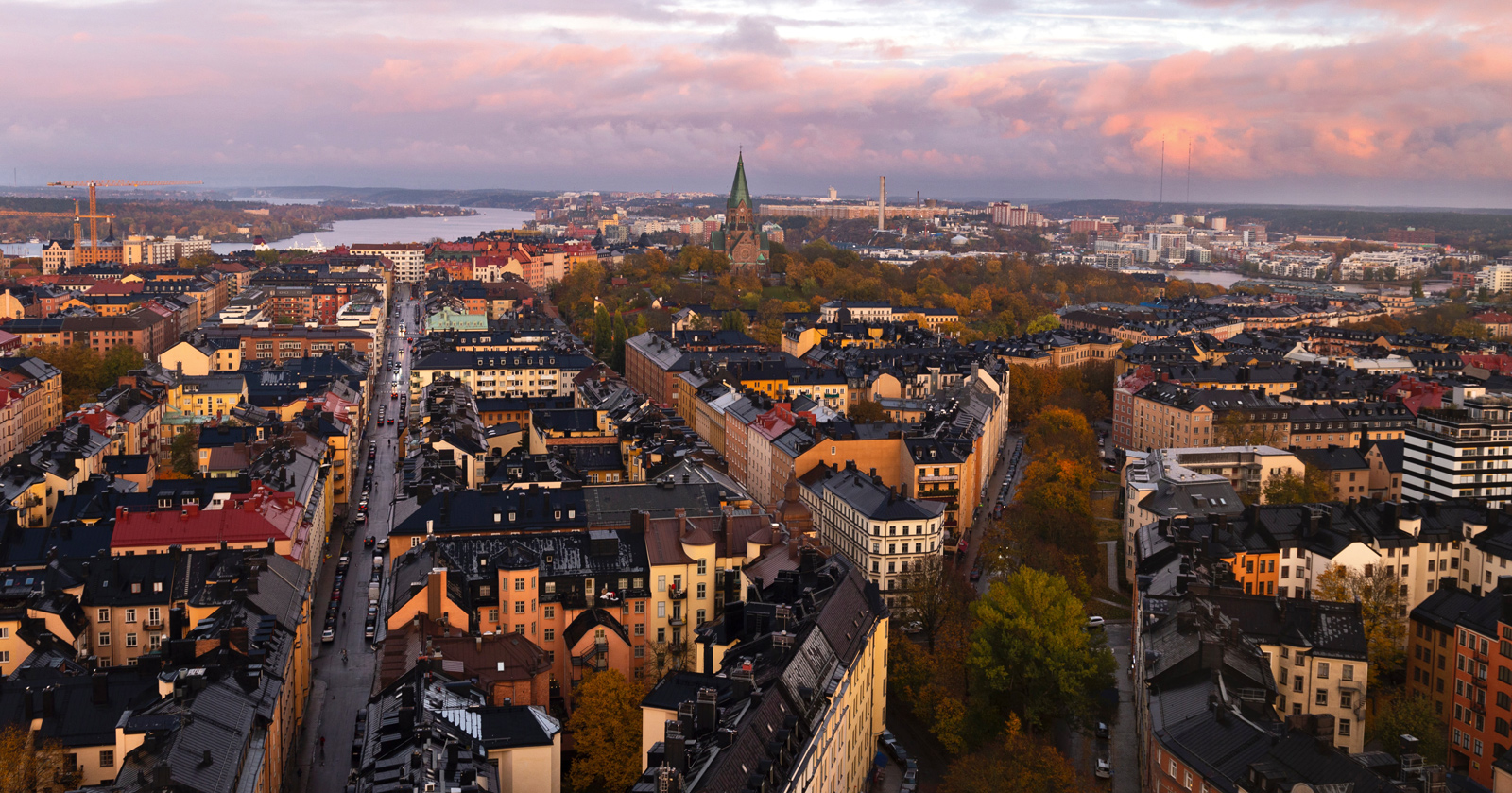
Stockholm's rooftops
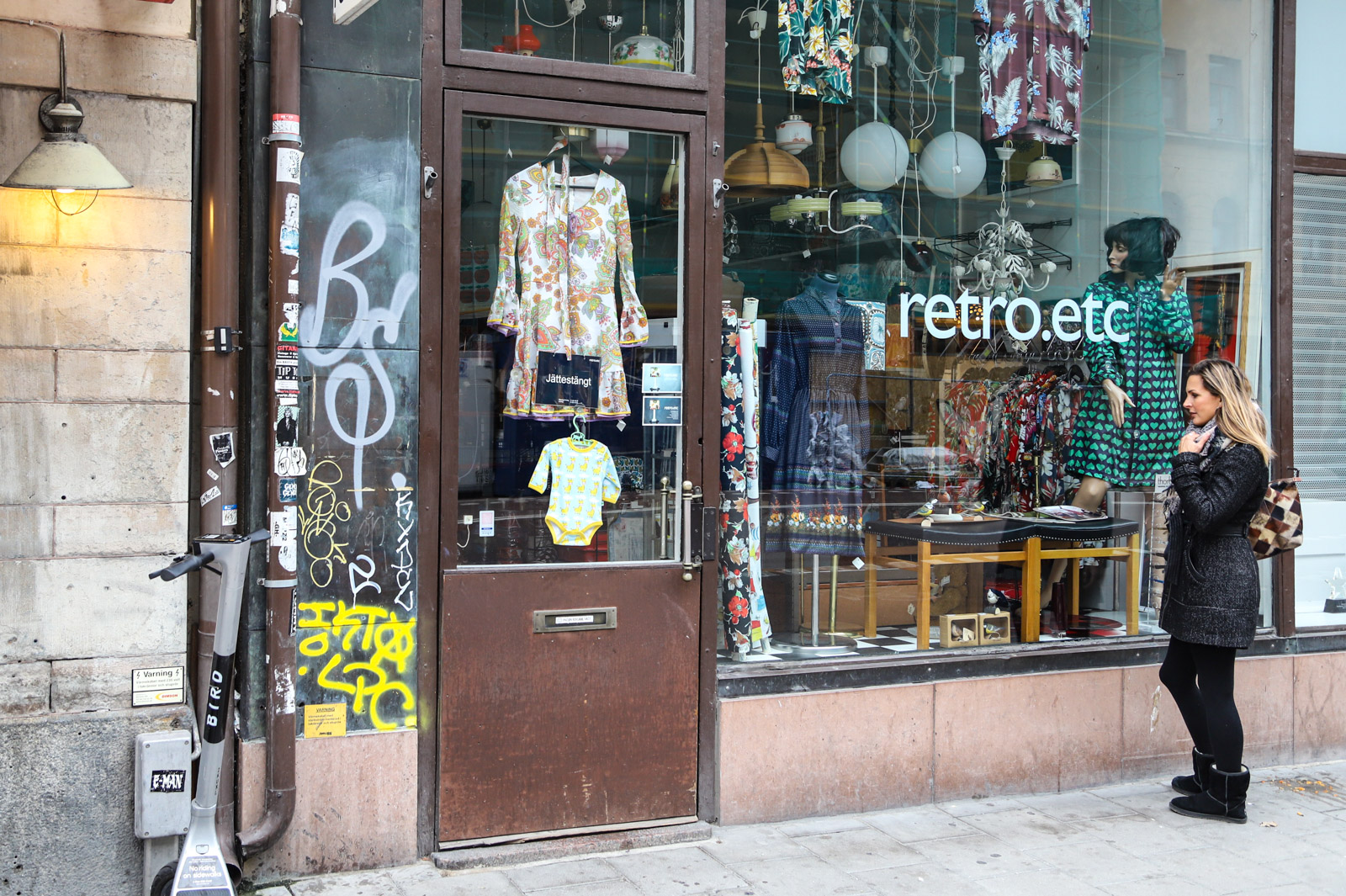
Vintage shopping in Sofo, the "trendy" district of Södermalm
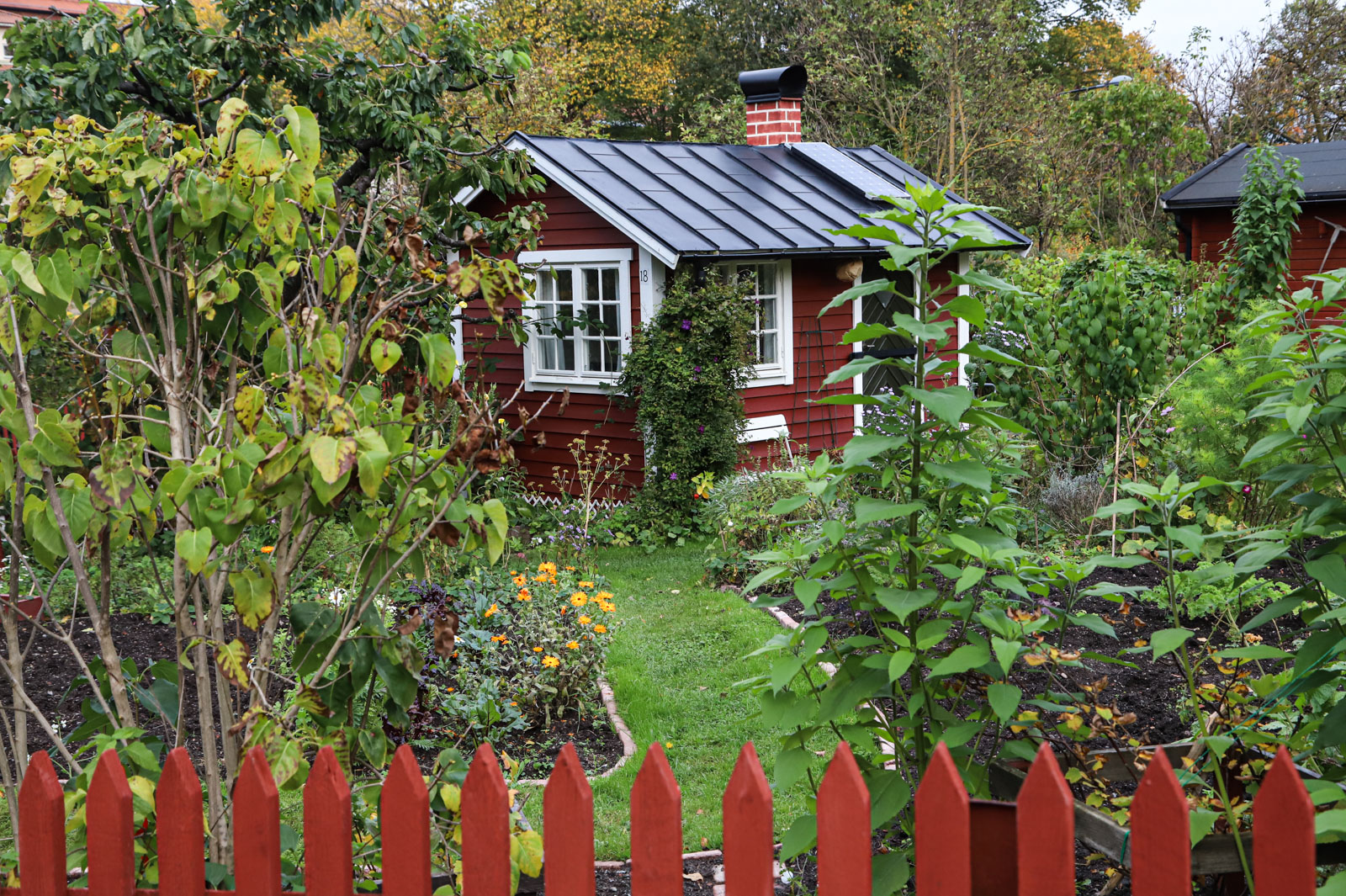
Tantolunden Park: immersion in the heart of Stockholm's allotment gardens
Stortorget Christmas Market: the most beautiful in Stockholm!
1,6 km
The 5 stars Hôtel Reisen, an invitation to travel in a luxurious setting in Stockholm
1,6 km
You will like also