- Home page
- Tourism
- Discover Stockholm
- Discover Around Stockholm
- Sigtuna
- Discover Around Stockholm
- Discover Stockholm
- Tourism
Sigtuna
Automatic translation
all the Scandinavian charm
Welcome to Sigtuna!
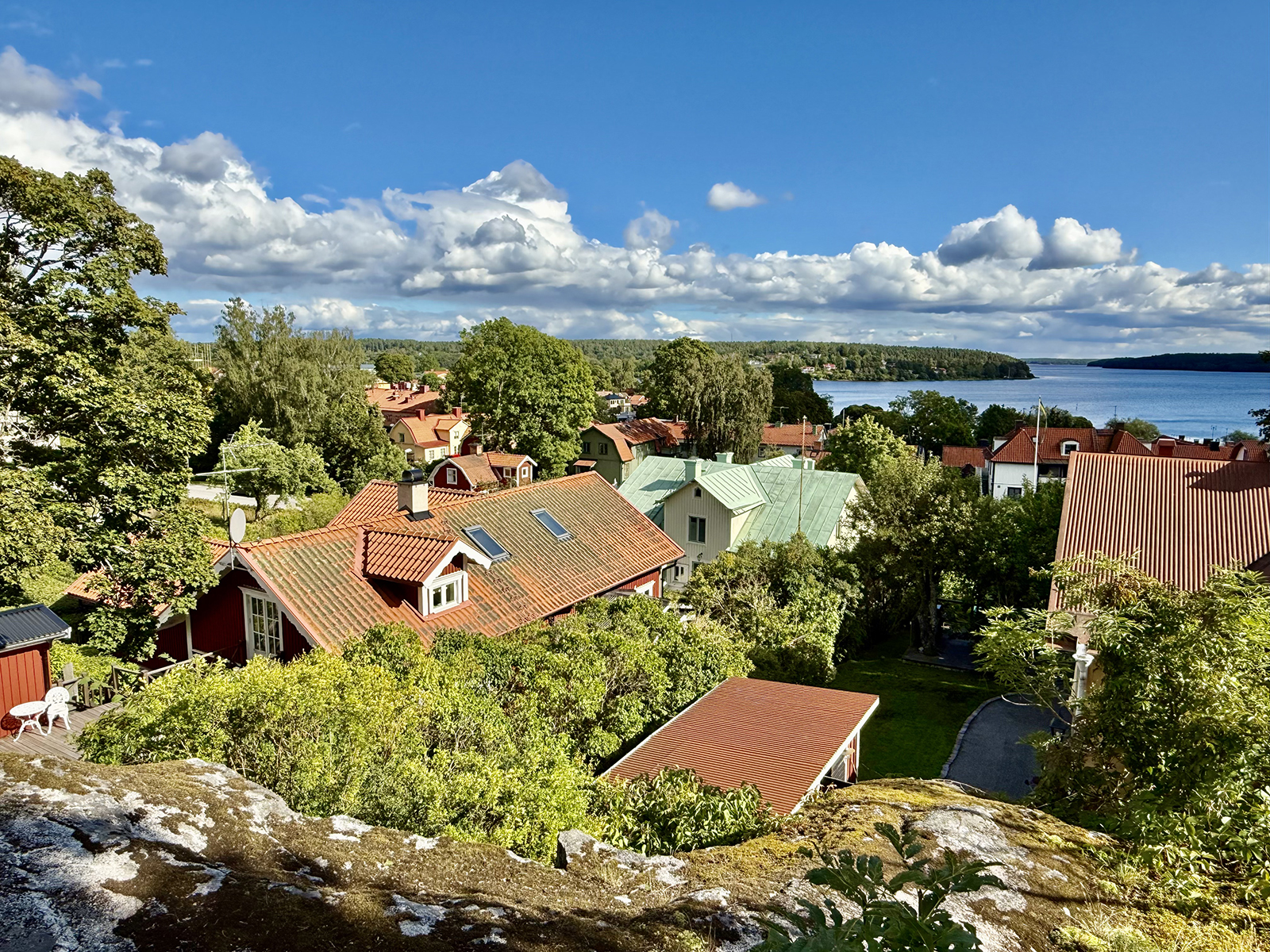
Nestled on the northern shore of Lake Mälaren, 40 km from Stockholm, Sigtuna is a picture-perfect setting. Close to Arlanda Airport, this charming town of around ten thousand inhabitants offers a picturesque escape for visitors eager to step back in time. Here, you won't find skyscrapers or grand museums, but rather a small marina, a maze of cobbled streets lined with traditional wooden houses, and a rich heritage of ancestral monuments to discover in a bucolic and relaxed atmosphere. For lovers of history and Viking civilization, Sigtuna holds many fascinating sights: the town boasts the largest concentration of runestones in the country! Sigtuna is a popular destination for escaping the urban bustle of the capital, venturing off the beaten path, and immersing oneself in nature and Swedish folklore.
An unmissable day trip from Stockholm!
A true journey back in time awaits you in Sigtuna, and it's well worth setting aside a day for this refreshing escape from the capital during your stay. The town is located only about 40 kilometers north of Stockholm, and several options allow for easy access by road from the capital or by crossing Lake Mälaren. Nestled within Stockholm's vast maritime labyrinth, Lake Mälaren is the third largest lake in the country.
To reach Sigtuna:
- By train (SL network), the journey takes approximately 1 hour from T-Centralen. Take the 42 or 42X train towards Märsta, then from the terminus, take bus 575 or 570 to Sigtuna bus station.
- By bus (allow 1 hour 45 minutes journey time): take bus line 579 from Stockholm Cityterminalen to Arlanda Terminal 4, then another bus line 579 from Arlanda Sky City Terminal 5 to Sigtuna Bus Station
- By taxi, the journey takes 40 minutes and costs between 650 and 800 SEK.
- By boat, cruise from Stockholm in the summer season from 295 SEK return per person. (2.5 hours journey then 4 hours on site)
If you don't have your own boat, nothing could be easier than boarding the M/S Evert Taube from Strömma Kanalbolaget for a "Sigtuna Excursion - The Cradle of Sweden." You'll cruise across the magnificent Lake Mälaren and discover wild landscapes along the water. Enjoy this cruise, admiring the verdant and picturesque shores while sipping tea and savoring a snack or a "fika" on board. Admission to the Sigtuna Museum of Art is included with the boat ticket!

The timeless charm of Sweden's oldest city
Founded in 980 by King Erik the Victorious, Sigtuna was the first capital of Sweden and the first city to mint coins. Renowned as the oldest city in the Kingdom of Sweden, it was also one of the most important pagan cities in Scandinavia before becoming a bishopric in 1060. The ruins of the first churches built during the evangelization of the country have survived the centuries, serving as evidence that Sigtuna was the very first Christian city in Sweden. Sigtuna quickly became the main trading center on the Baltic Sea.
Over the centuries, however, the town lost its prominence to Uppsala, Visby, and eventually Stockholm. Ravaged by several devastating fires, the original village did not survive: it has been entirely rebuilt exactly as it was, allowing visitors to discover a Swedish town of that era. A timeless charm that truly immerses us in history!
Numerous remains still bear witness to its rich past. The ruins of several medieval churches, surrounded by runestones, raise their steeples on the town's heights. The local museum displays a rich collection of ancient artifacts and illustrates the town's evolution over time.
Nestled in an idyllic natural setting, Sigtuna is a prime destination for those passionate about Scandinavian history and culture, drawn by its old-world charm and iconic, photogenic architecture. During the holiday season, the town transforms into a magical place, bustling with Christmas market stalls. It's the perfect opportunity to pick up local handicrafts and savor traditional treats.
What to do and see in Sigtuna?
Strolling along Stora gatan street
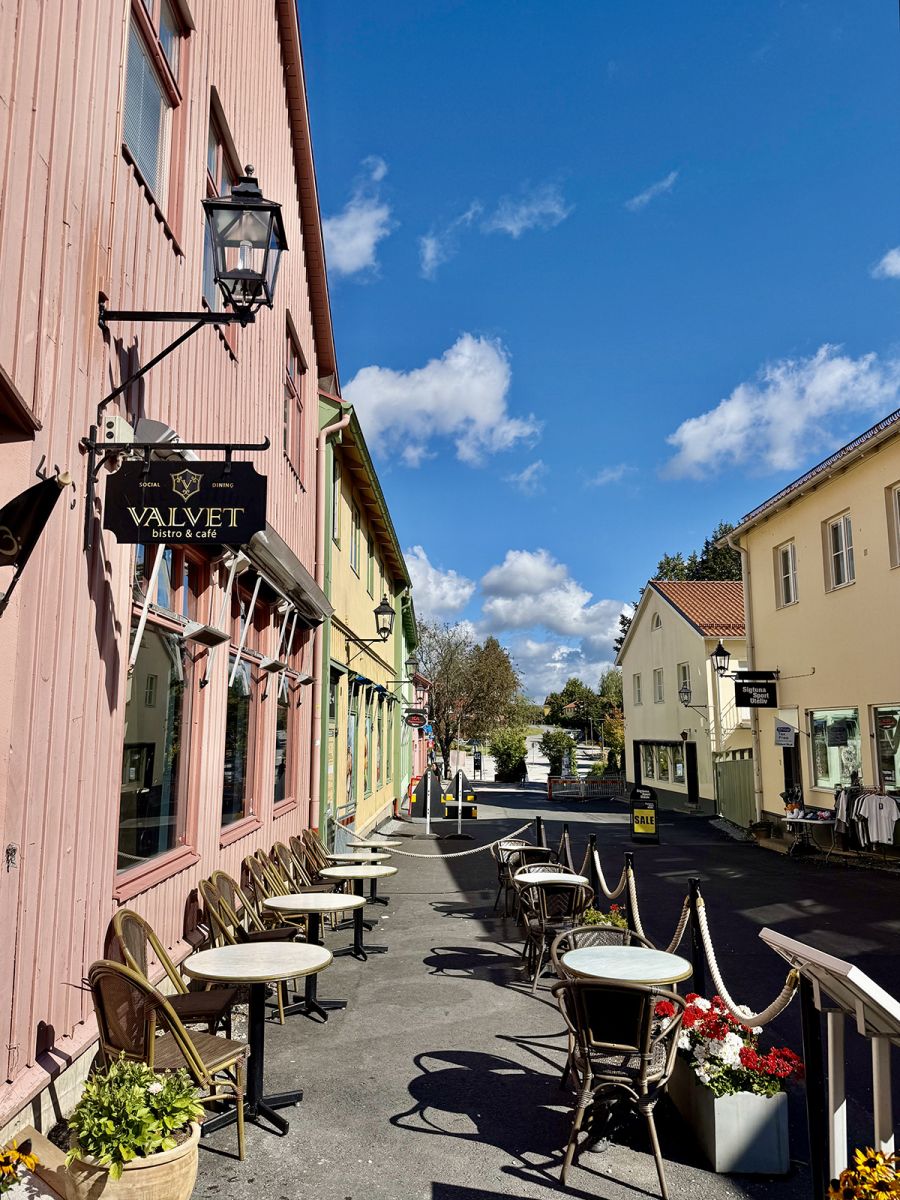
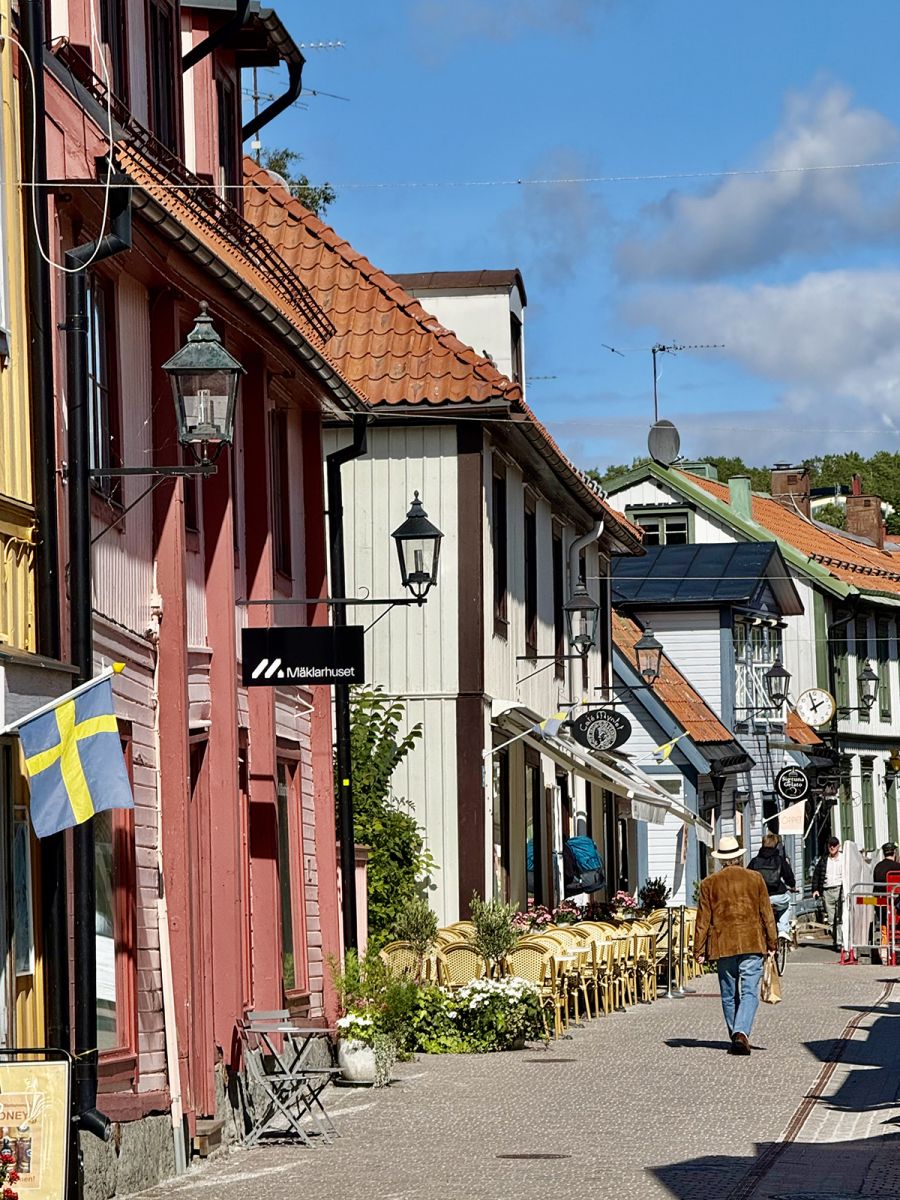
The main thoroughfare , Stora gatan, is a must-see! You'll be charmed by the small, pastel-colored wooden houses dating back to the 18th century. These former artisan workshops have now been transformed into cafes, restaurants, and independent boutiques selling Swedish clothing, home decor, design, and crafts.
Discover the Rådhuset, the town hall
Proudly overlooking the Stora Gatan shopping street, the Sigtuna Town Hall is a must-see. Completed in 1744, this miniature building with its ochre facades holds the symbolic title of " smallest town hall in Sweden," and perhaps even in Northern Europe.
Designed by Mayor Eric Kihlman, it has stood the test of time, preserving its dual heritage as an administrative center and local courthouse. It also testifies to the civic importance of the city despite its modest size.
Now part of the local museum, it reveals to visitors its preserved council chamber and former cells, while continuing to celebrate love, as its historic hall remains one of the most popular wedding venues in the country. This Baroque gem, with its graceful bell tower and patinated wooden pews, embodies all the timeless charm and community spirit of Sigtuna.
Discover the religious heritage and spectacular ruins
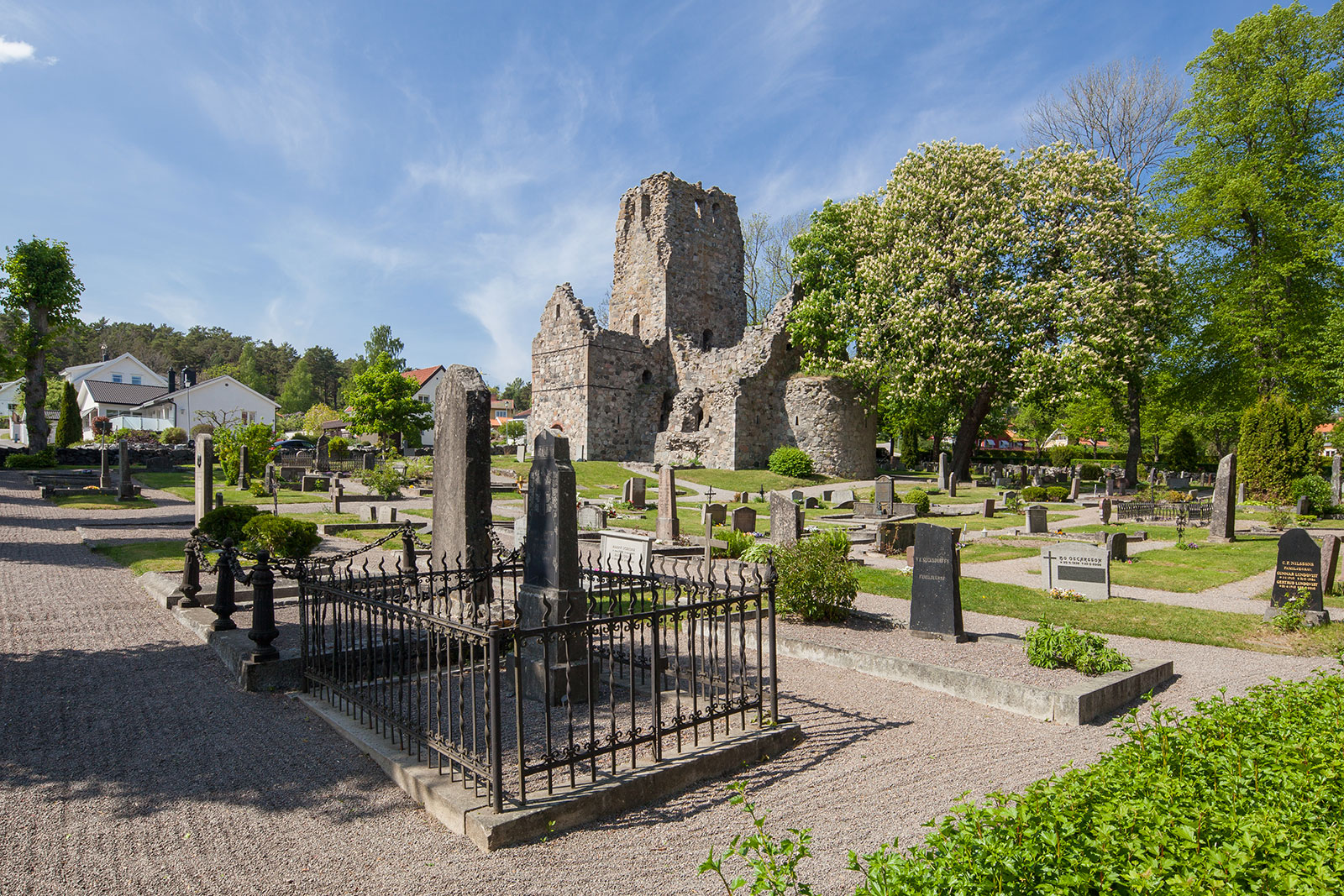
Explore the ruins of the first churches built during the evangelization of Sweden.
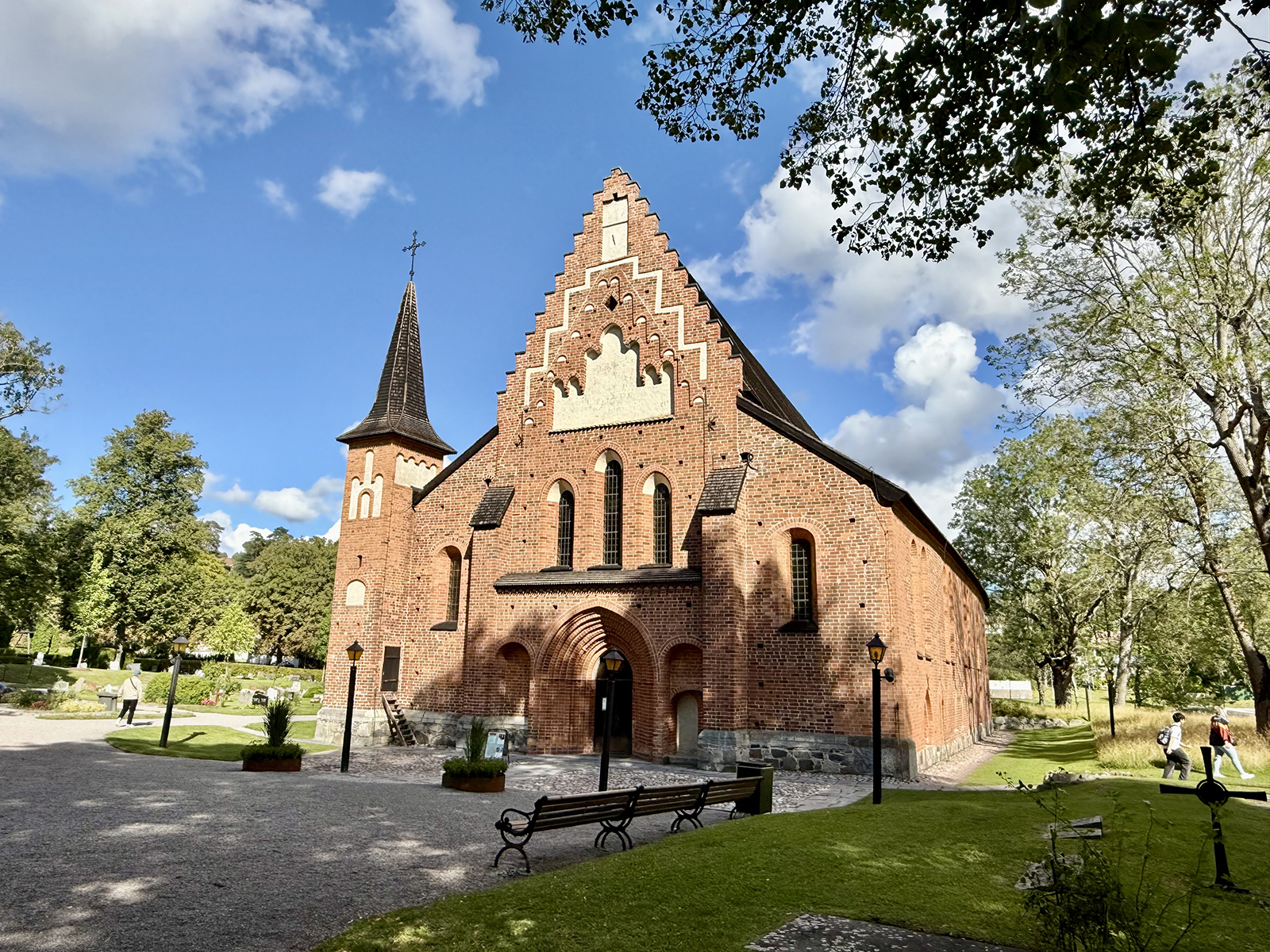
Dating from the 13th century, Mariakyrkan was the first building in the country constructed of brick. The interior is well worth a visit: observe the 16th-century tomb, the 12th-century baptismal font, and the 14th-century frescoes.
The ruins of the churches of Sankt Per, Sankt Lars, Sankt Olof date from the 10th and 12th centuries.
The Sigtuna Museum - Sigtuna Museum Art
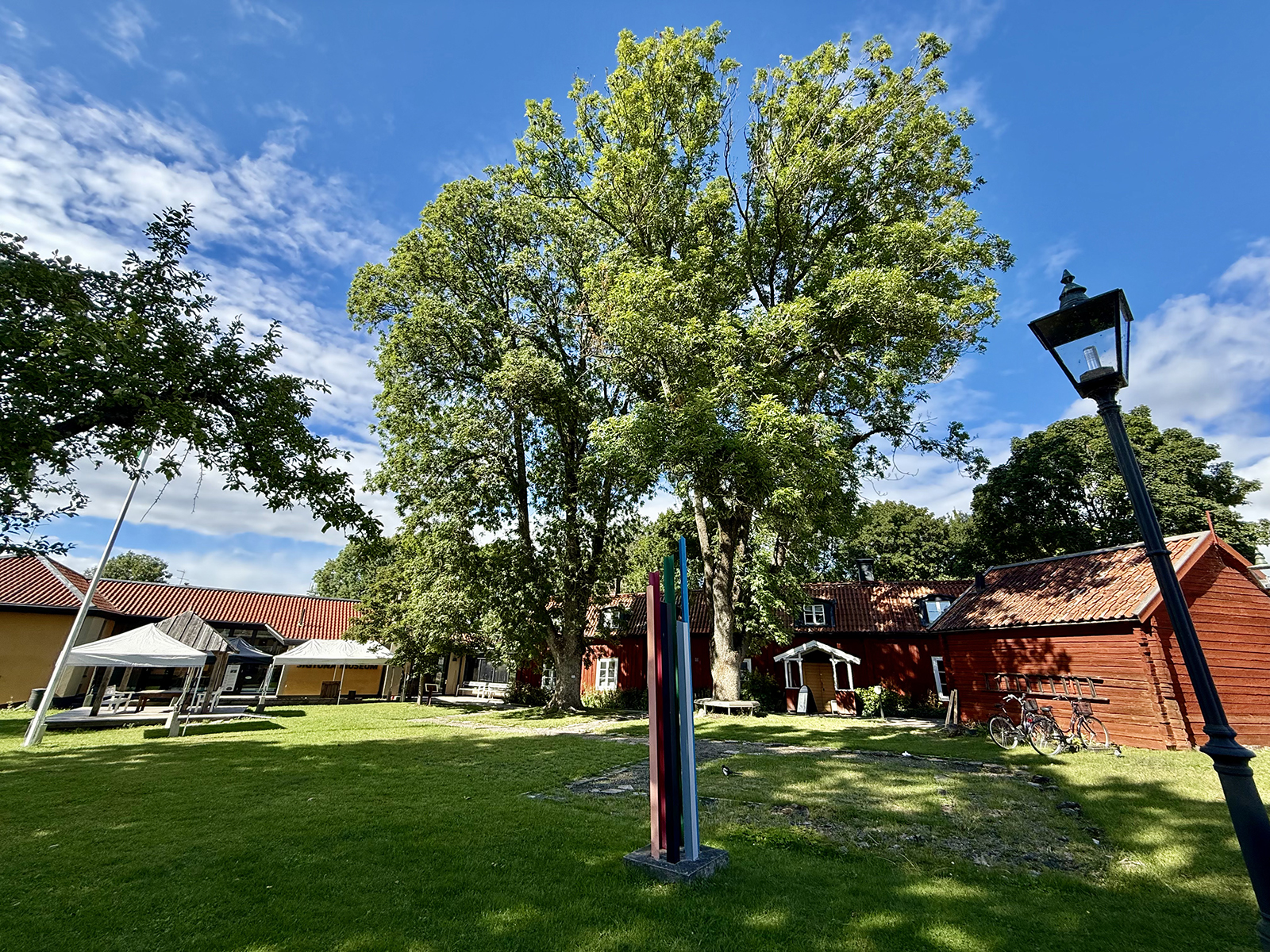
Just steps from the town hall, the Sigtuna Museum & Art forms the cultural heart of the city, offering a fascinating glimpse into the thousand-year history of Sweden's oldest city. Housed on the site of the former royal farm where the first Swedish coins were minted around the year 1000, this modern museum achieves a perfect blend of medieval archaeology and contemporary art.
Through interactive exhibits, it highlights the incredible discoveries made during local excavations while also offering a dynamic art gallery showcasing contemporary works. By exploring its collections, visitors understand how this small port on Lake Mälaren became a major commercial and religious hub of the Viking world, making the museum an essential complement to a historical stroll through the town's cobbled streets.
Unraveling the mysteries of the runic alphabet
To follow the Viking trail and unravel the mysteries of the runestones scattered throughout the city (12 in the city center and over 150 in the surrounding area), ask at the museum or the Tourist Information Center located on Stora gatan (easily recognizable by its dragon) for a "futhark," a copy of the runic alphabet, to help you decipher this legendary script. You can also pick up a map of notable sites (in French) to create your own itinerary and make sure you don't miss anything the city has to offer!
Walk on the shores of Lake Mälaren
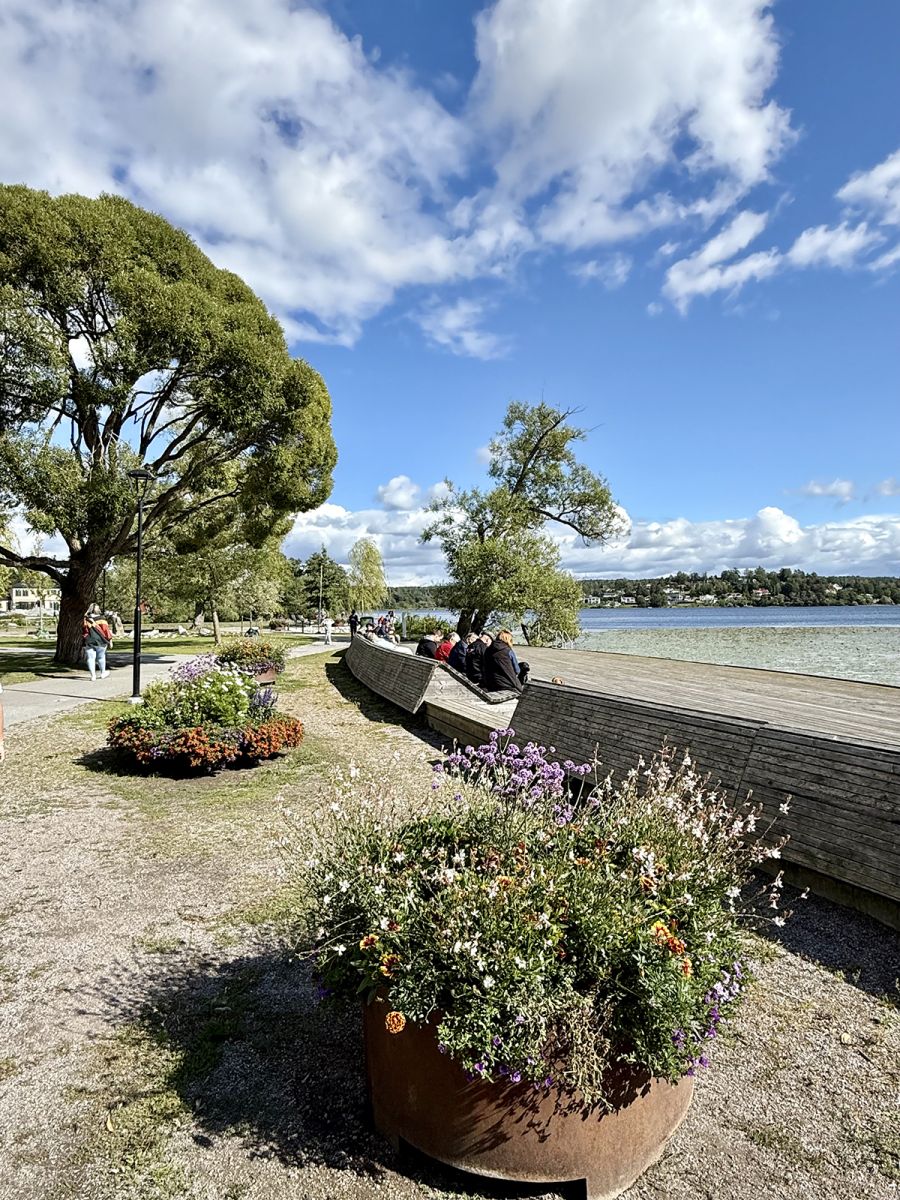
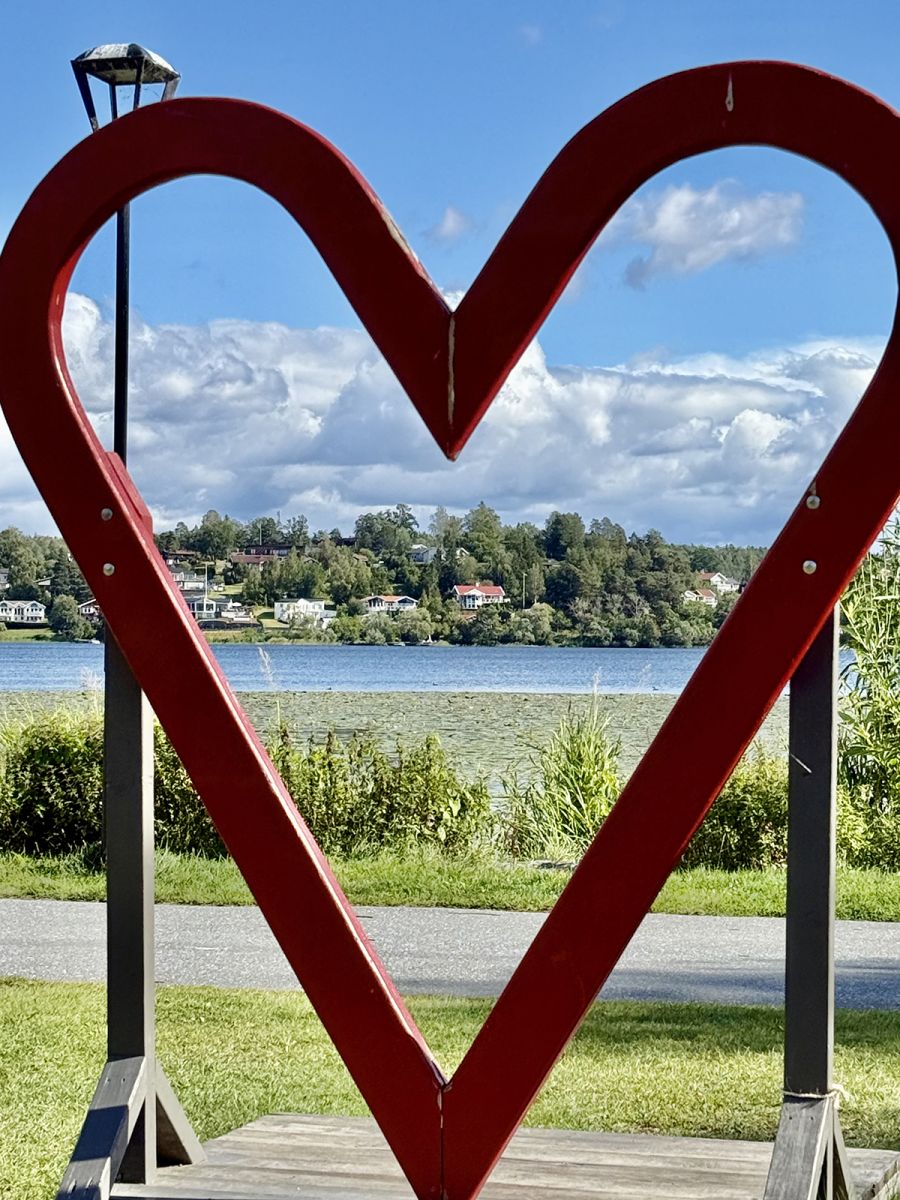
How pleasant it is to stroll along the shores of Lake Mälaren, gazing towards the horizon. A footpath has been laid out for this purpose, dotted with small harbors and jetties and lined with beautiful traditional houses. A true sanctuary for seabirds, you can observe the many species that have made it their home, such as barnacle geese, herons, and cormorants.
Explore (free) the gardens of Steninge Slott Castle
Near Sigtuna, the gardens of this 17th-century castle offer a superb walk with the silhouette of this Baroque palace as a backdrop. The castle itself is not open to the public, but its splendid gardens are well worth a visit.
Visit the Swedish Versailles "Skoklosters Slott" near Sigtuna
A true jewel of 17th-century Swedish Baroque architecture, this castle is one of the most famous in the country. This masterpiece was conceived by Carl Gustaf Wrangel, a German mercenary who became a Field Marshal of Sweden and was eager to display his power to the world.
Top experiences
The best cafes in Stockholm for a Swedish-style "Fika"